


“I’m Done! What Do I Do Now?” Let’s talk about one of the biggest challenges we face as science teachers – pacing activities to work for everyone in the room. Most teachers have very heterogeneous classes these days. We’ve all been there… some students are still working through their lab while others are sitting there with nothing to do. (And let’s be real – that’s exactly when your administrator walks in!) We have some kids that require almost all of our attention and others that could probably sail through college science courses already. It’s a challenging mix. So what are some engaging fast finisher activities for science? I’ve got a Top 10 List!
There are plenty of ways to make the most of an extra few minutes of learning time. And – importantly – it doesn’t have to feel like you’re just throwing more work at the fast finishers. For students, it shouldn’t feel like a punishment for working efficiently.
Here are my Top 10 ideas (in no particular order) to help you fill that extra time effectively, without making it feel like just another worksheet:
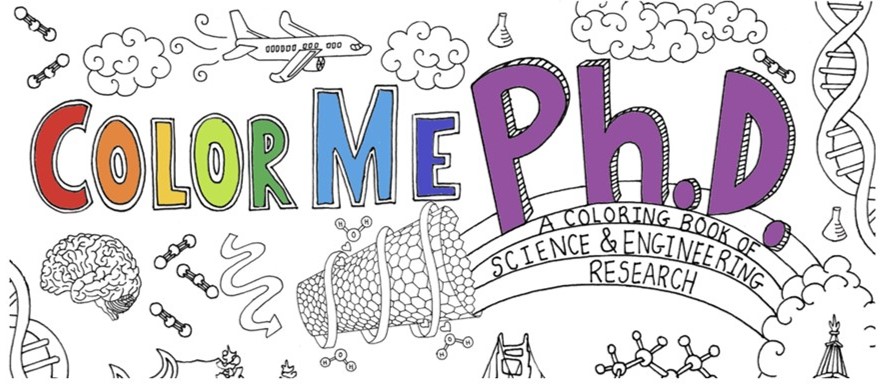
I am not a fan of coloring pages, and ordinarily, I don’t think they’re a good use of time… at all. However, Julie Rorrer, PhD, has made some really cool (and actually educational) coloring pages. Each sheet teaches a little about the subject as the kids color. Some are a little advanced for my 7th graders, but I have Plant Waste to Sustainable Fuels and The Science of Service Dogs in my back pocket for when I need them. There’s a lot to choose from – check out the selection yourself! Print out a few to keep on hand.
Have kids try to make words or phrases out of element symbols on the periodic table. You can give them science vocabulary to try to recreate, sayings from famous scientists, or scientist names. Or, have them come up with a phrase about a topic you are learning, and then recreate the phrase using element symbols. If you want to let them cheat a little, they can plug their words into www.chemspeller.com, and the words get made out of element symbols for them. If you need something more structured, try one of my periodic decoder activities.
Start building your own science classroom library with books that are accessible to all kids. I started this when my own kids would outgrow their science picture books from when they were little. I set up a little section in my classroom that has a sign “Read Me.” I like the Eyewitness book series and the science books by National Geographic Kids, but I never buy them new. I grab books from Savers (our local thrift store) and yard sales. You can include everything from science novels to picture books to “fun facts” books.

Science News is one of my favorite fast finisher activities for science! Have students maintain a science news journal using articles from sites like Science News for Students, Live Science, or even science podcasts like “Tumble” or “Brains On!” I keep a small bin of composition notebooks where students glue a list of prompts in the front cover and a simple rubric in the back. When they finish early, they can grab their journal and choose an article to read. They respond using prompts like describing science careers mentioned, defining new terms using context clues, or connecting the article to what we’re learning in class. It really shows students that science isn’t just happening in textbooks – it’s happening right now! If you like this idea, you can learn a lot more about how I actually implement it in THIS BLOG about current science activities and THIS BLOG about my science journal system.


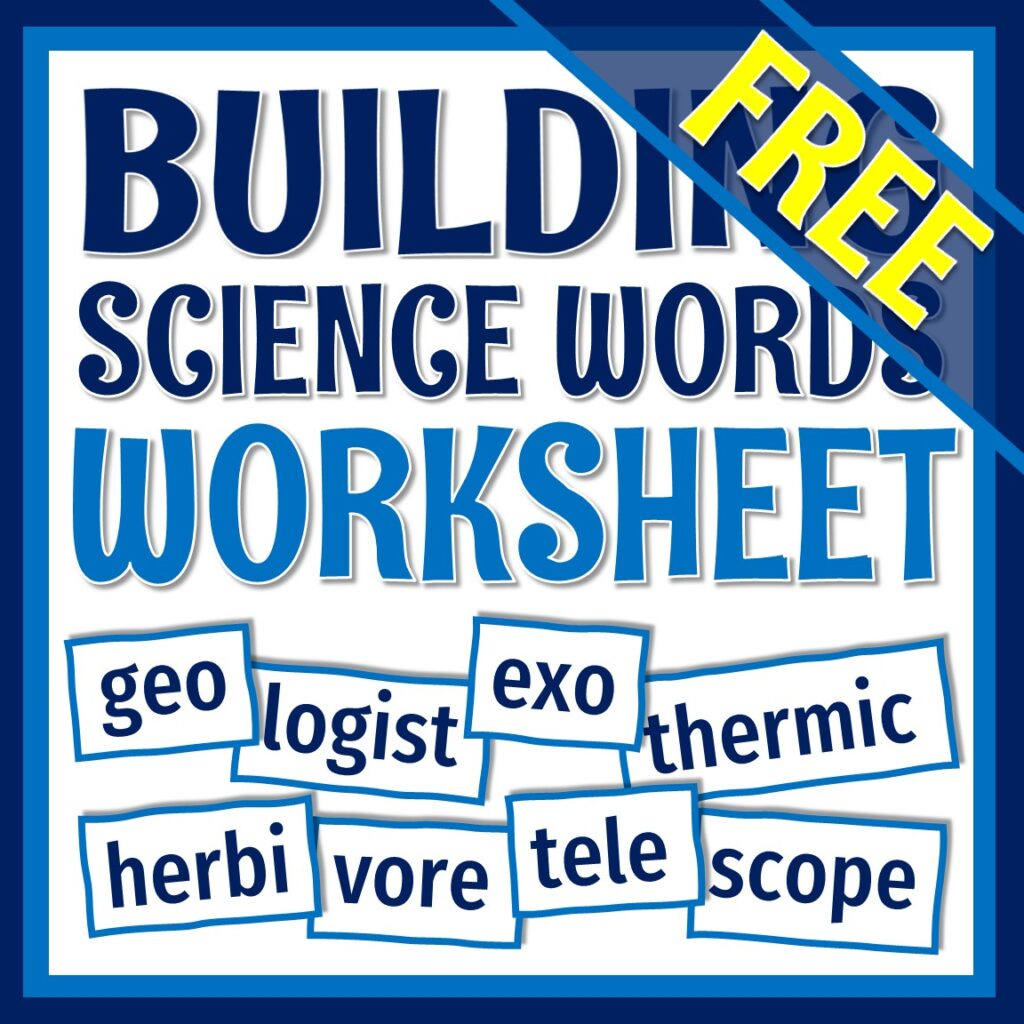
A great way to get kids really fluent with science vocabulary words is to teach them how to decode them. While not too many kids learn Latin or Greek anymore, doing some basic activities with root words, prefixes, and suffixes can go a long way. So have fast finishers become word detectives! I developed a brief lesson that introduces students to exactly how science vocabulary words get built, and it’s totally free for my readers. This Building Science Words Worksheet has a small background section with background information about prefixes, suffixes, and root words in science. And it gives students a little bit of practice with them. It’s FREE, so I hope you check it out!
What kid doesn’t like trivia? I’ve created 55 different science trivia cards covering everything from peculiar plants to gravity to fossil fuels. Each “Two Truths and a Lie” card presents three wild science facts – but only two are true. I divide these into smaller sets of about 10 cards each and store them in plastic baggies, making them super easy for students to grab when they finish early. Kids can work individually or quietly with a partner to read the statements, make their predictions about which one is the lie, then flip the card over to check their answer. The lies are tricky enough to spark real critical thinking, but the truths are so interesting that kids actually want to learn more. Plus, since there are multiple sets, students can grab a different baggie each time. It’s simple to manage, FUN, and gets kids thinking critically about science concepts!

For the record, I have a good relationship with my kids, so they know I’m not being serious with the whole “get your life together” tag. It’s just a silly way to say get some organization done. Have kids do a quick self-audit: Is that explosion you call a backpack in need of some attention? How about that binder that looks like it was in a wrestling match with a tornado? Any missing assignments haunting your grades like friendly ghosts? While we’re at it, when’s the last time you checked if you turned in last week’s lab report? Or organized those loose papers that have been living their best life at the bottom of your backpack? Take a few minutes to update your agenda books (that’s what we call their planner – is that just a Massachusetts thing?), file those random worksheets that are playing hide-and-seek in your folders, or clean out that graveyard of broken pencils and old permission slips. Students actually appreciate this chance to get organized – even if they roll their eyes at me.
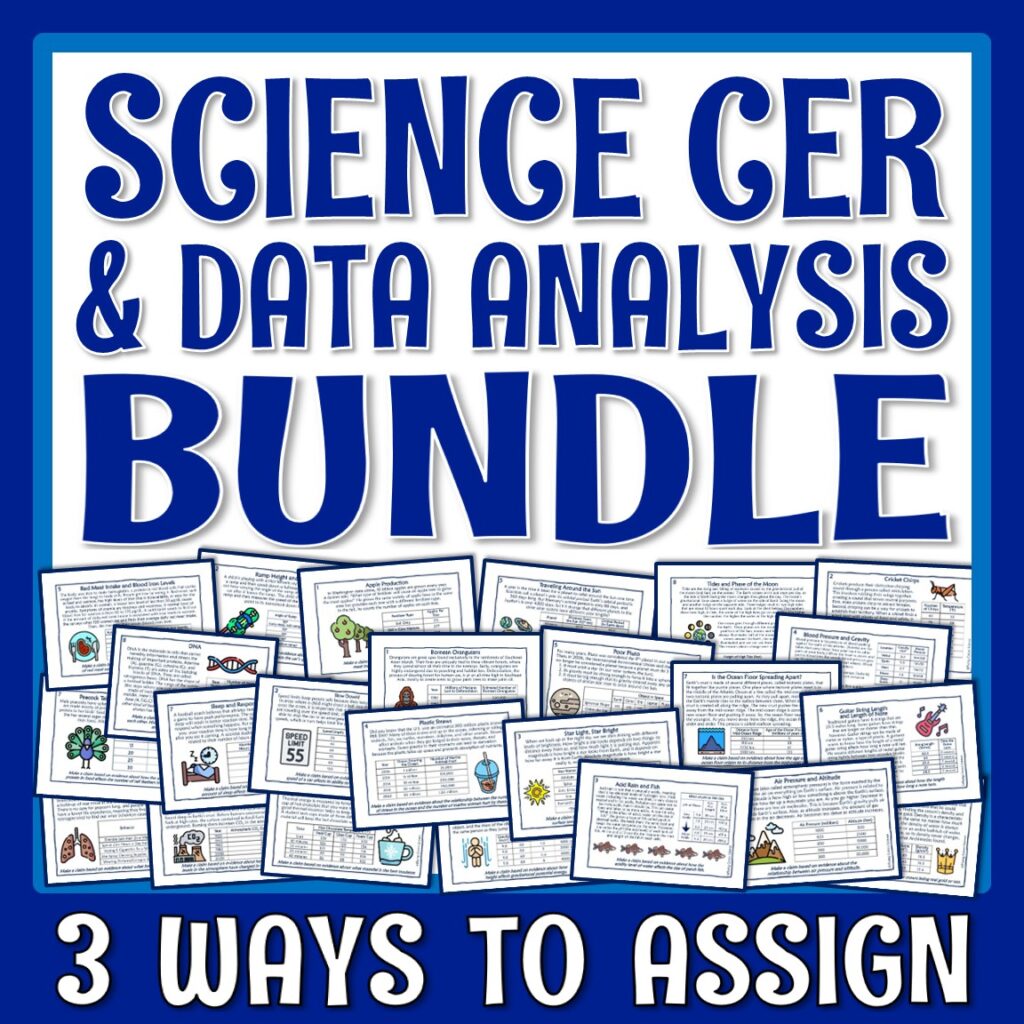
Need a meaningful way for early finishers to strengthen their scientific thinking skills? Keep these CER (Claim, Evidence, Reasoning) task cards ready to go. Each card presents students with a brief science scenario and a simple data table – no science background knowledge needed. When students finish early, they can grab a card, analyze the data, and practice writing claims based on evidence. Since there are 24 different scenarios covering topics from fish growth to gravitational potential energy, students can work through new challenges each time they finish early. Keep a folder of response sheets by your desk where students can record their CER responses. What I personally love about these cards is that because they focus only on scientific thinking rather than content knowledge, they work as fast finisher activities any time during the year, regardless of what unit you’re teaching.
I keep a folder of diverse scientist biographies for early finishers. When students complete their work early, they can grab a biography they haven’t read yet and learn about someone amazing – maybe Dr. Jane Wright’s groundbreaking cancer research or Bisi Ezerioha’s innovative race car designs. It’s a great way to sneak in both reading practice and science history while keeping early finishers productively engaged. I offer a huge bundle of fun and interesting scientist biographies for only $1 each, so you can provide your students with lots of scientists to choose from. This is one of those fast finisher activities for science that can have a lasting and inspirational effect on kids.

Okay, I said these ideas were not in any particular order, and they aren’t, but this is definitively my most favorite early finisher activity. If you don’t have a class pet, this is your sign to get one. I am a HUGE advocate of pets the classroom. I will die on the hill that every science class needs a pet. (And every kid needs a dog… but I digress…) Please read more about how I became such a huge advocate for pets in the classroom in THIS BLOG. It really changed my teaching practice forever. And bonus: time with the classroom pet is the most rewarding fast finisher activity there is!

Let’s be real. Kids are different and they don’t make it easy to pace every class perfectly. And teachers can’t plan for everything. There’s always kinks in schedules that lead to time with classes you didn’t expect. Once in a while, it’s necessary to do something “off topic” just to keep the machine running. I hope you found some fast finisher activities for science to keep your kids engaged and on-task in these extra moments!
As an Amazon Associate I earn from qualifying purchases.