
I know you saw this blog headline and thought, “With everything I need to cover, you really expect me to spend time on science timeline projects, too?”
After all, timelines don’t help with direct instruction of our science content. A timeline isn’t going to teach the layers of the Earth or the parts of a cell. They won’t show up as a multiple-choice question on the state test. And they certainly aren’t going to help you wrap up that unit you’re already behind on.
But here’s what timelines do really well…
Science isn’t a list of facts that appeared in textbooks one day. It’s messy, it’s human, and it builds over time. When students create timelines, here’s what clicks:
➡️ Science is a process, not just a final answer. Students realize that what’s in their textbook didn’t appear fully formed. The facts they are reading emerged through decades or centuries of work, false starts, and gradual refinement.
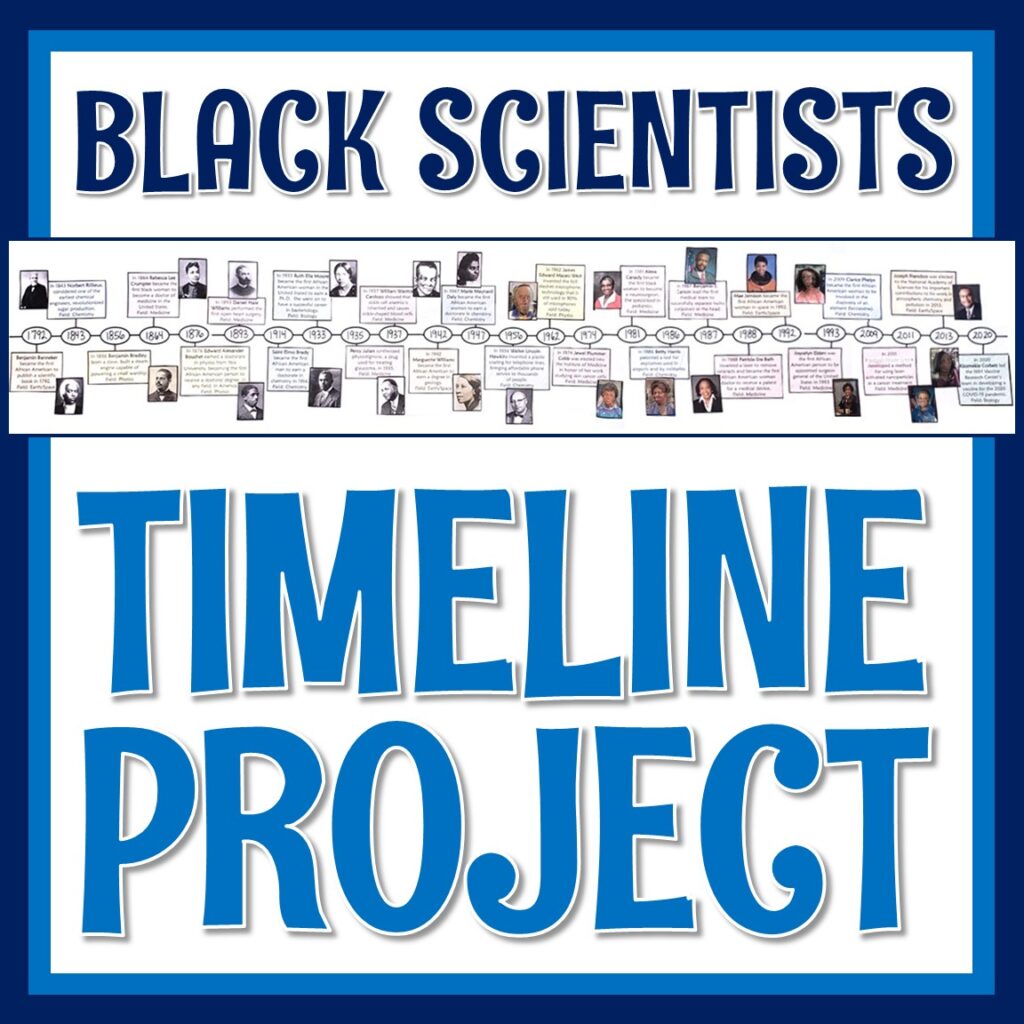
➡️ Science is done by real people. Timelines help to highlight that scientific discoveries have always involved people from many backgrounds, even when history books overlooked their contributions.
➡️ Ideas build on each other. While textbooks present little independent capsules of information, timelines help students see the big picture of how one discovery leads to another and scientific knowledge scaffolds over time.
➡️ Progress isn’t always linear. Some discoveries were ignored for decades. Incorrect theories dominated for centuries. Breakthroughs often required technology or societal changes that didn’t yet exist. This helps students understand why scientific consensus can shift and why we might still be wrong about things we currently “know.”

Timeline projects work for multiple skill levels:
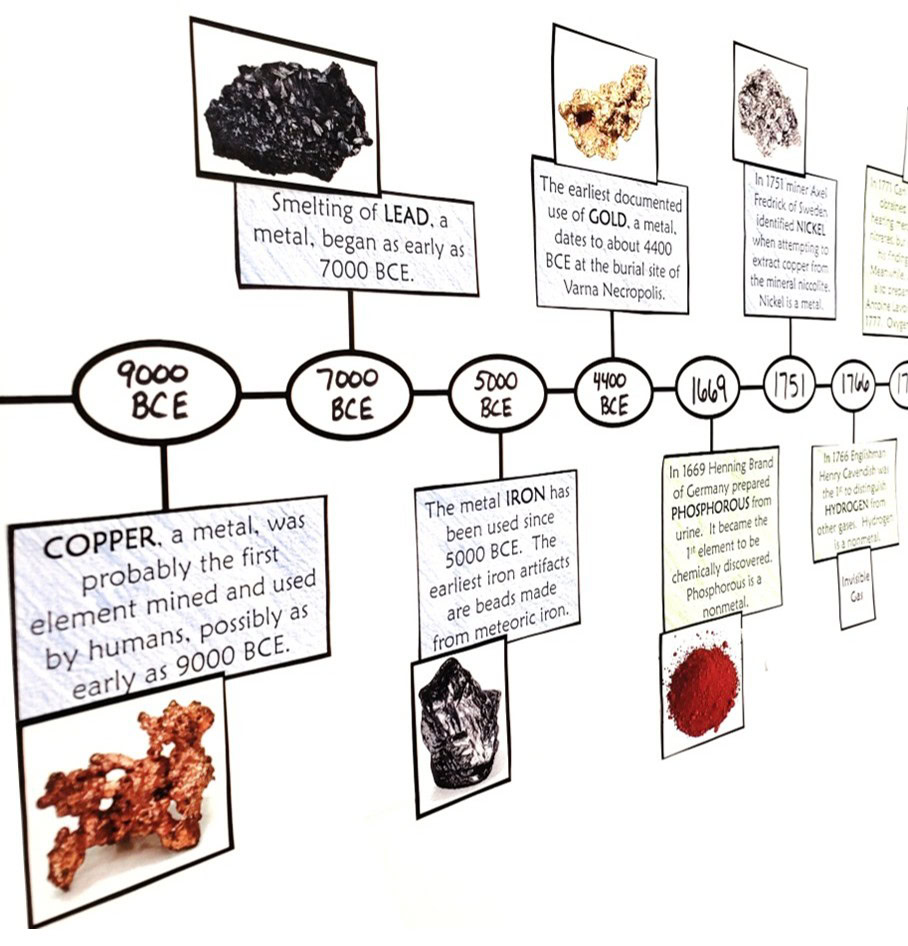
✔️ Keep them focused. A timeline spanning 2,000 years can feel overwhelming. Consider narrowing to a specific time period or having different groups tackle different eras.
✔️ Connect it back: After creating the timeline, have students write reflection questions or make predictions about future discoveries.
✔️Provide scaffolding: provide students with a list of events to research, guiding questions, and clear criteria for what makes a complete entry. My timeline projects do just that for you! 👇
Physical science timelines can focus on major ideas about matter, motion, and energy. Students might create:


Earth and space science timelines can connect major discoveries about Earth’s systems and the universe. For instance:
Life science timelines can highlight how knowledge of living systems has developed. Examples include:
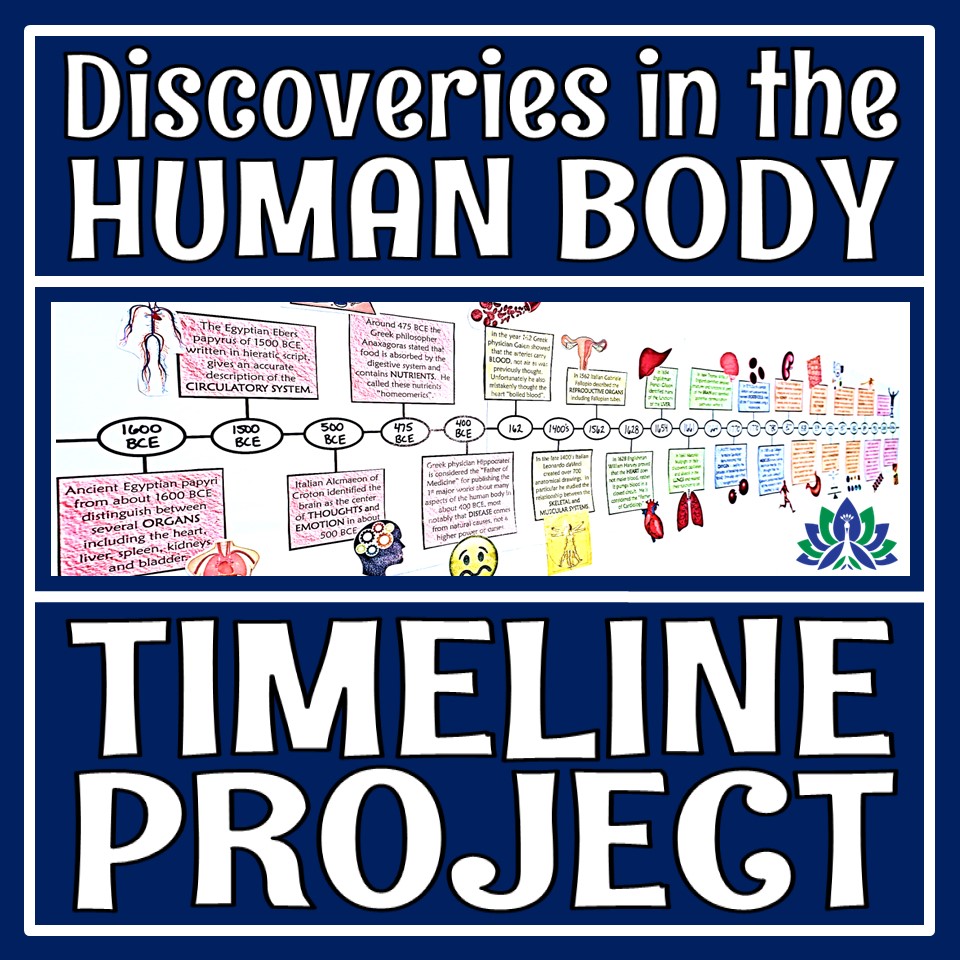
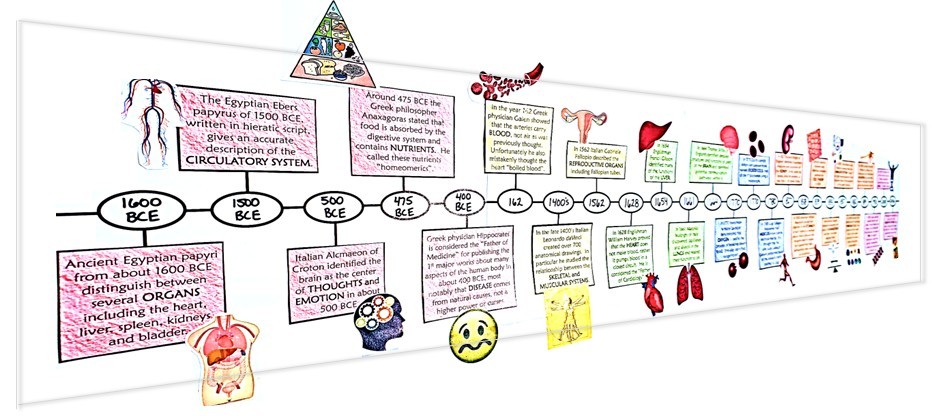
These timelines can cross all branches of science by focusing on scientific progress through people and discoveries:


Science timeline projects aren’t fluff. They’re context.
They give students a sense of how and why scientific ideas develop, not just what they are. When students see that science is a story of curiosity, persistence, and collaboration, they stop memorizing facts and start connecting ideas.
I love science timeline projects because they help students think like scientists: asking questions, finding patterns, and recognizing that today’s “answers” are part of an ever-evolving process. That understanding helps students to see knowledge as something that grows.
Do you like my content and my teaching materials? You can shop my website store, or shop on TPT, too!