






When I first started teaching (don’t ask when… it was a long time ago), there wasn’t much out there for easy prep middle school science labs. It seemed like every lab required supplies or tools from a science catalog, and they were generally extremely HIGH prep. As in, I’d have to stay after school way too long the night before to set it up.
So, I’ve always had a sort of “love/hate” relationship with labs.
🥰 I LOVE seeing the look on my kids’ faces as they get the freedom to use their hands, experiment, and make discoveries. There’s just nothing better than looking around a whole class and seeing kids really into what they’re doing.
Lab days leave me feeling, “This is why I do this!” There’s nothing like it.
🤬 But I HATE having to spend my own money (which I often can’t avoid) on supplies.
And, my classroom situation makes me really dread lab setup. I have my own classroom, but someone else has classes in my room on my prep periods, so I have to set up and take down each lab several times a day. I can’t leave stations of supplies out because the other teacher’s students will mess with them.
That’s why I’ve become super picky about the labs I choose to do, and I’ve reworked several tried-and-true labs that every science teacher is familiar with to be easier to manage. Now, I have a whole library of easy prep middle school science labs to pull from!
Here are my non-negotiables for labs:
1. Quick Prep Time: If it takes more than 15 minutes to set up, it’s not happening! I need labs I can quickly assemble between classes.
2. Cheap Materials: I’m talking grocery store supplies, not fancy science catalogs. My wallet (and probably yours) can’t handle those specialized lab supplies that only get used once a year. My school gives me $125 to spend a year, and that goes quickly for all my classroom expendables, such as colored pencils and dry-erase markers.
3. Easy-to-Find Supplies: Everything in my labs can be found at your local grocery store or dollar store. No special ordering required! If I can’t grab it EASILY locally, or if it’s not already in my supply cabinet or my kitchen, I’m not using it.
4. Still Totally Rigorous Just because these labs are simple to prep doesn’t mean they’re simple science! Each one hits multiple standards and pushes students to think deeply. We’re still doing real science here – collecting and analyzing data, forming hypotheses, and drawing evidence-based conclusions with CERs. The only thing “basic” about these labs is their supplies!
You’d be amazed what kids can learn with some basic household items and a well-designed investigation.
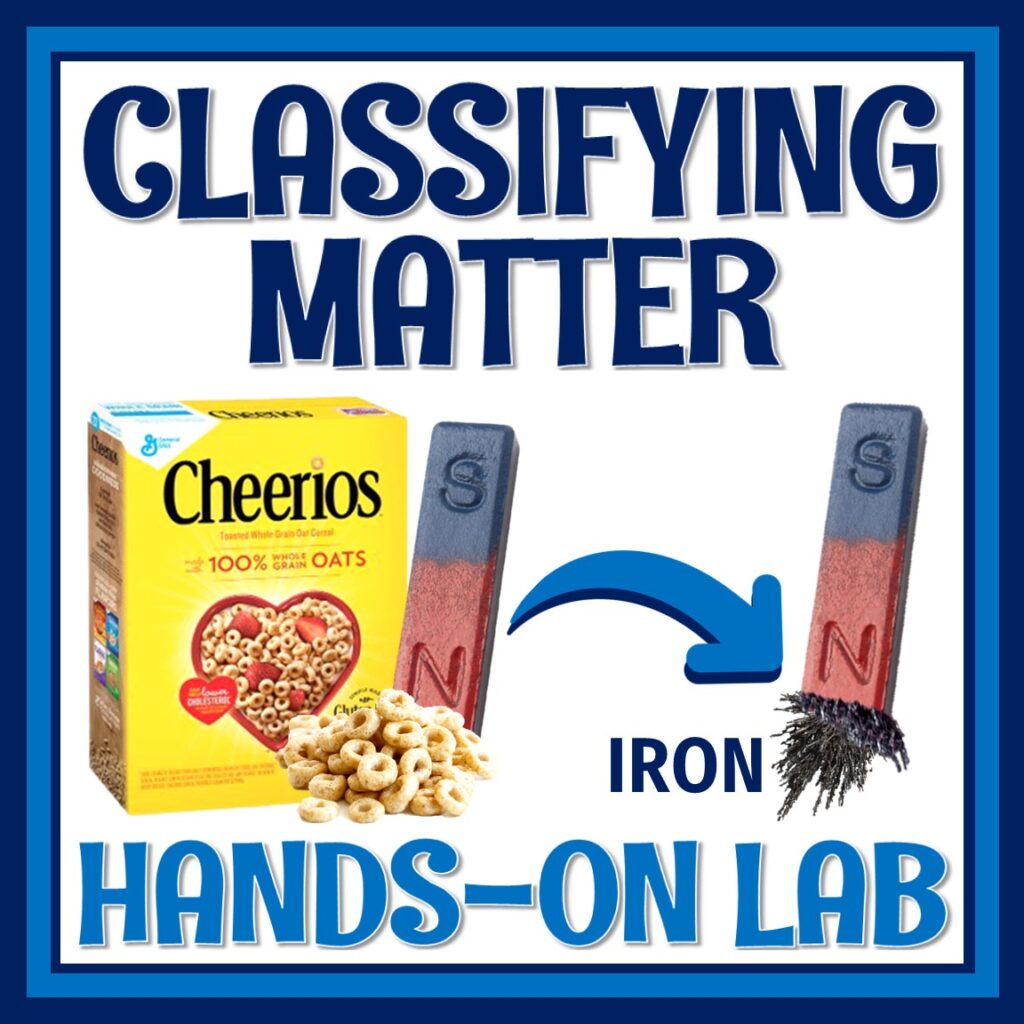
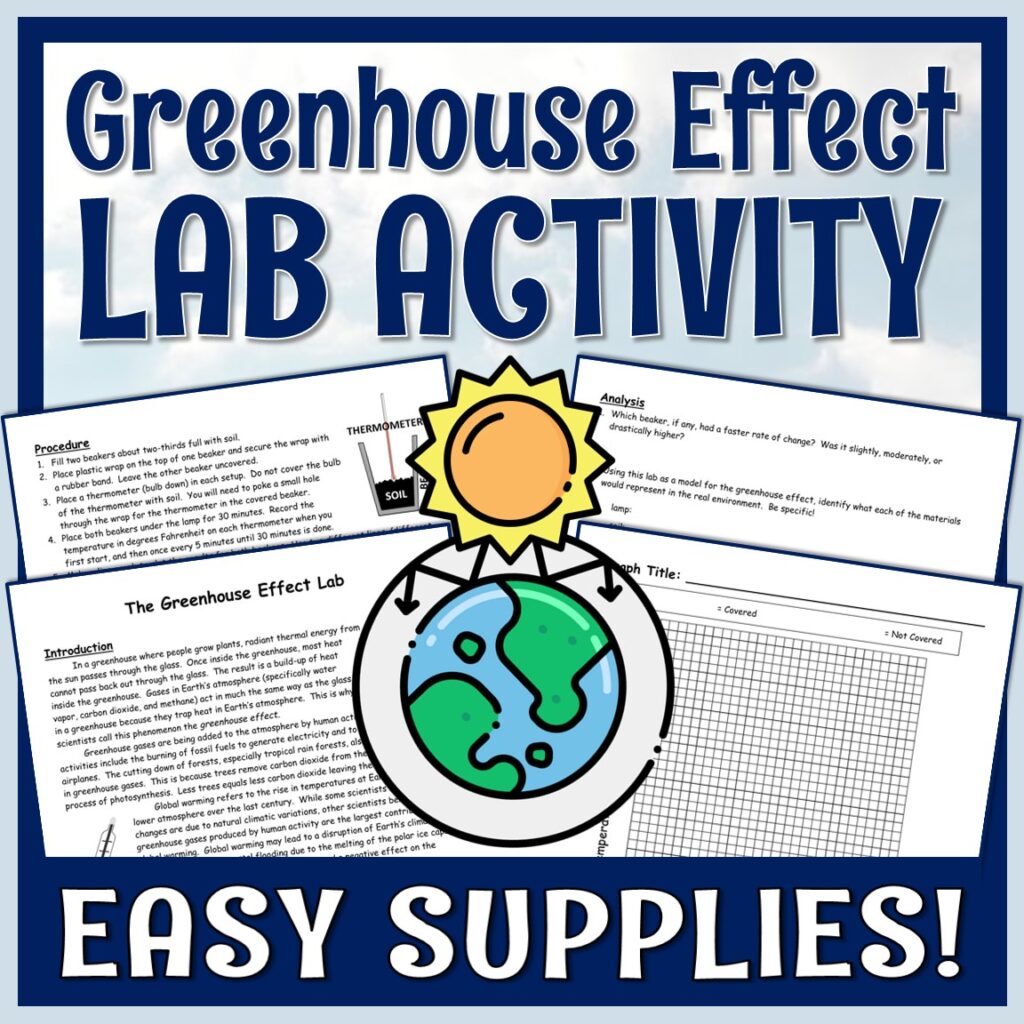
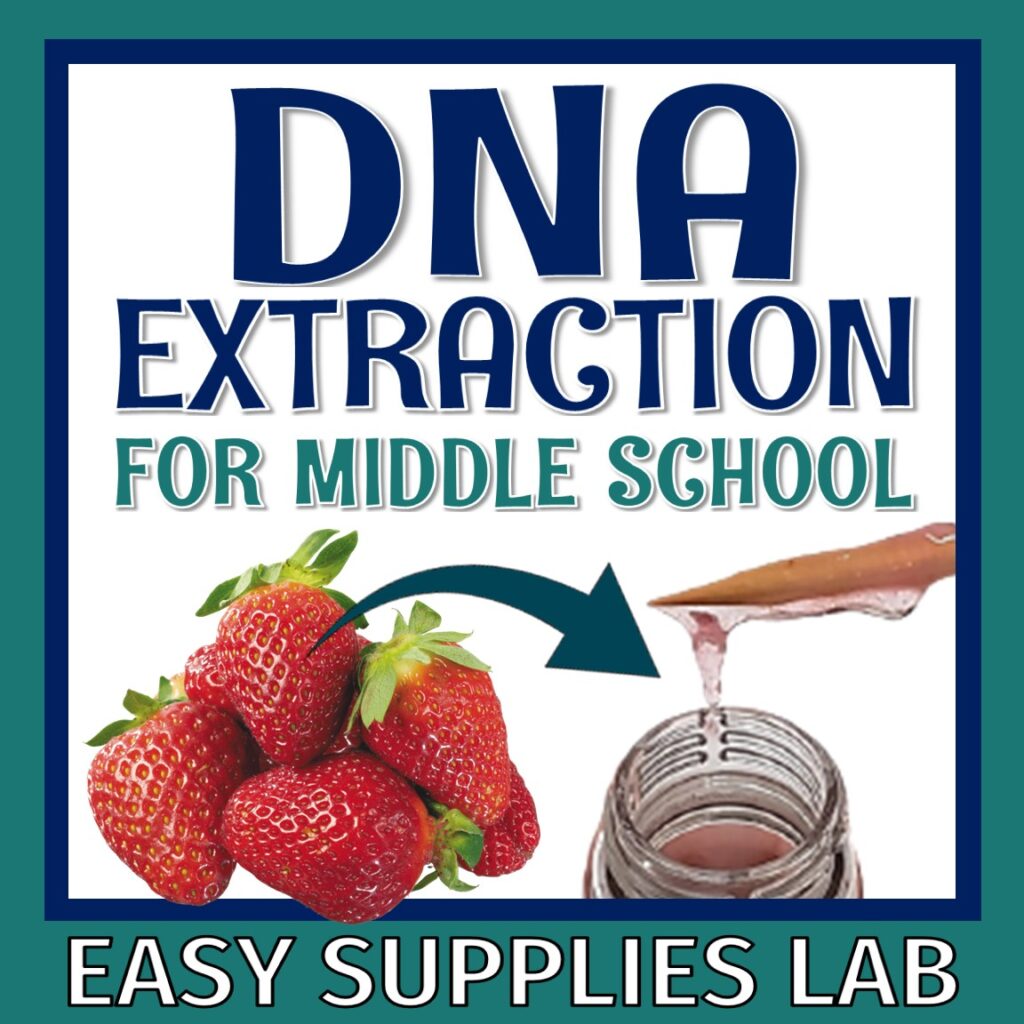
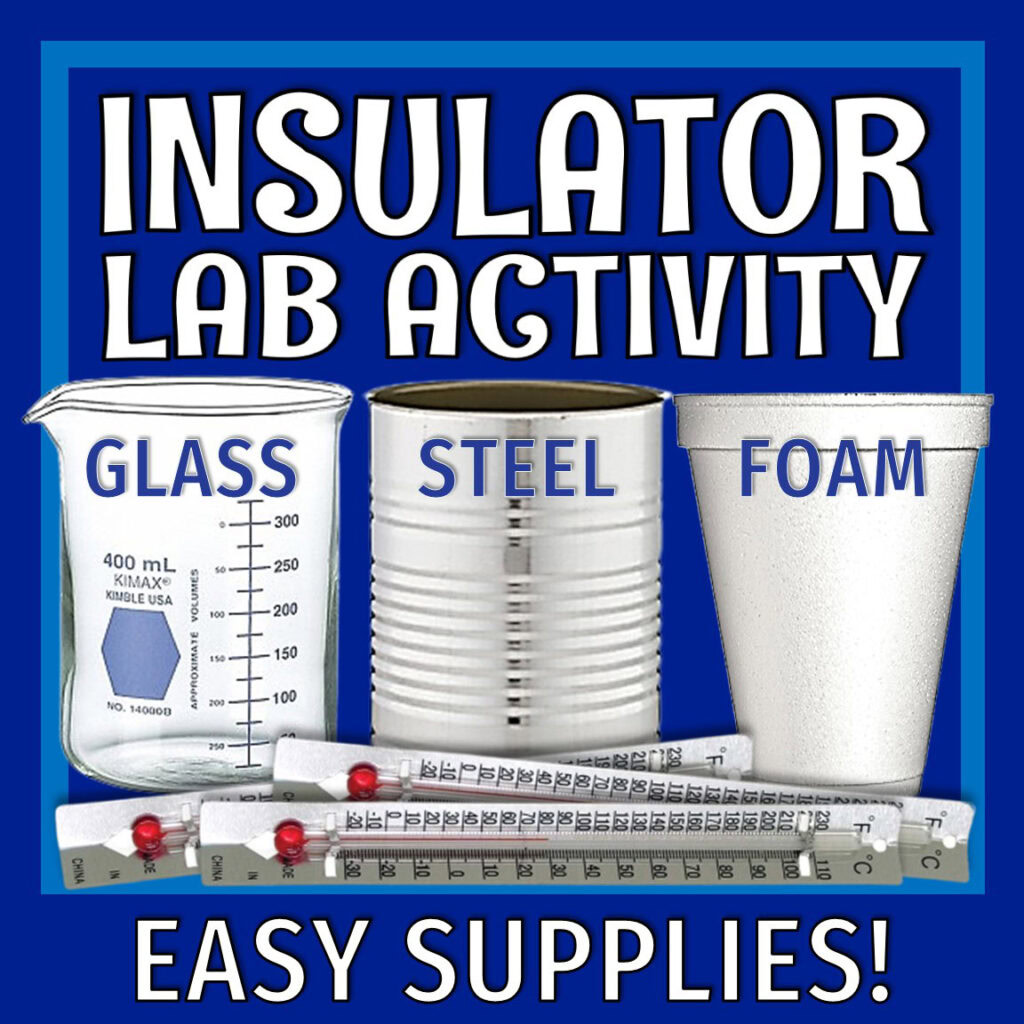
Want to see some of these easy prep middle school science labs in action? Check out my collection of classroom-tested labs that meet all these criteria while still bringing serious science learning to your students. 👇
These simple strategies have saved my sanity on lab days – and they don’t cost a thing! (Except maybe a dollar store bucket or two!)
As an Amazon Associate I earn from qualifying purchases.