
The best classroom science models don’t collect dust!
We’ve all seen those expensive science models that get pulled out once a year (MAYBE), used for five minutes, and then shoved back into a cabinet. The models below have earned permanent spots in my classroom because I use them over and over again across multiple units and grade levels.
NGSS Connection: Energy Transformation
Search: Arbor Scientific Colliding Steel Spheres
If you get ONE thing just for fun, make this it! This is one of my very favorites – and my students’, too!
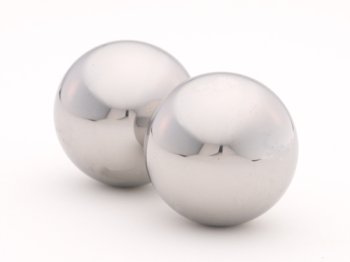
It is simple – just two steel spheres a little smaller than tennis balls. It’s a fresh way to talk about energy transformations. When you smash them together, students hear the sound, see the motion stop, and if the lights are off, see a spark.
But the really cool part is that if you put a piece of paper in between them when you smash them, it burns the paper! There’s a clear burn mark and you can smell the burned paper. It’s a perfect attention grabber for energy transformations, sound energy, thermal energy, and collisions.
And yes, I do let EVERY student take a turn smashing them! They’re too fun not to. See me show mine off on Instagram HERE.
NGSS Connection: Energy
Search: Physics Pendulum Model or even better – make your own (how I did it HERE)
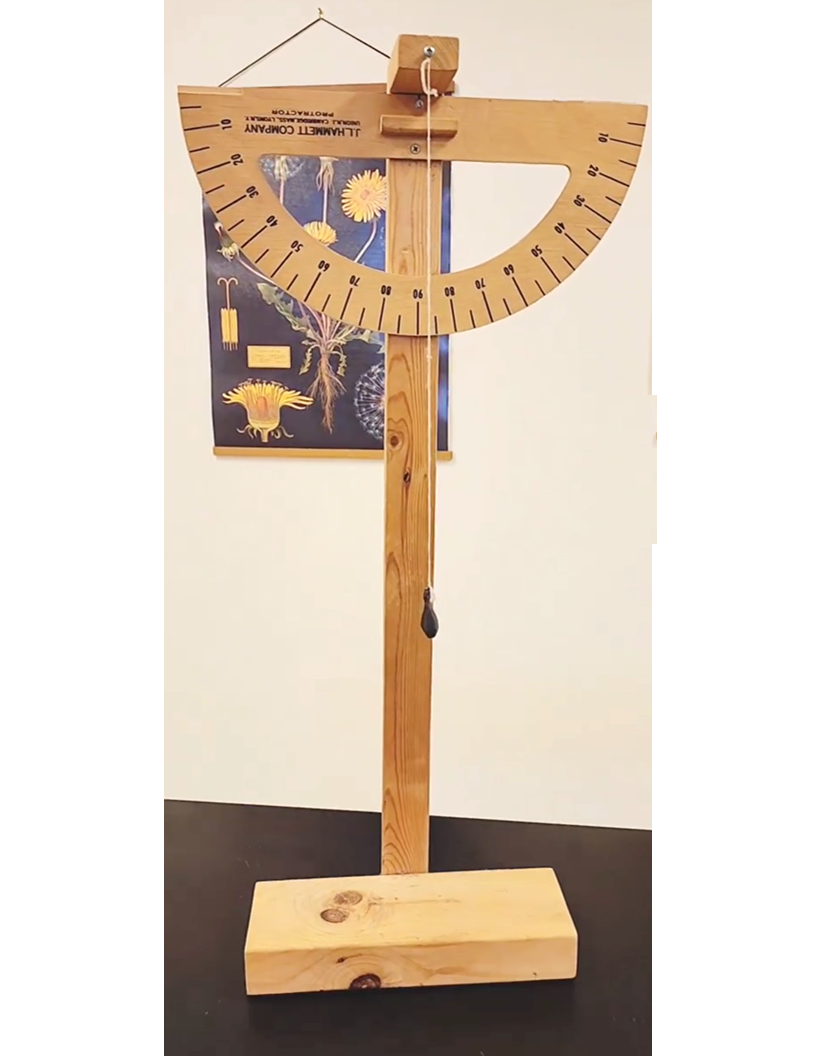
I use mine when teaching energy transfer, potential and kinetic energy, and motion. It makes a remarkably good inquiry tool because kids can play around with how high the weight is released from to see that the KE output can never be more than the PE output.
A nice “extension” is to have them take a slow motion video on their phone to see that even if the weight gets close to the same level of where it was released, it never tops it.
NGSS Connections: Human Body Systems, Evolution
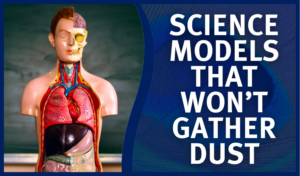
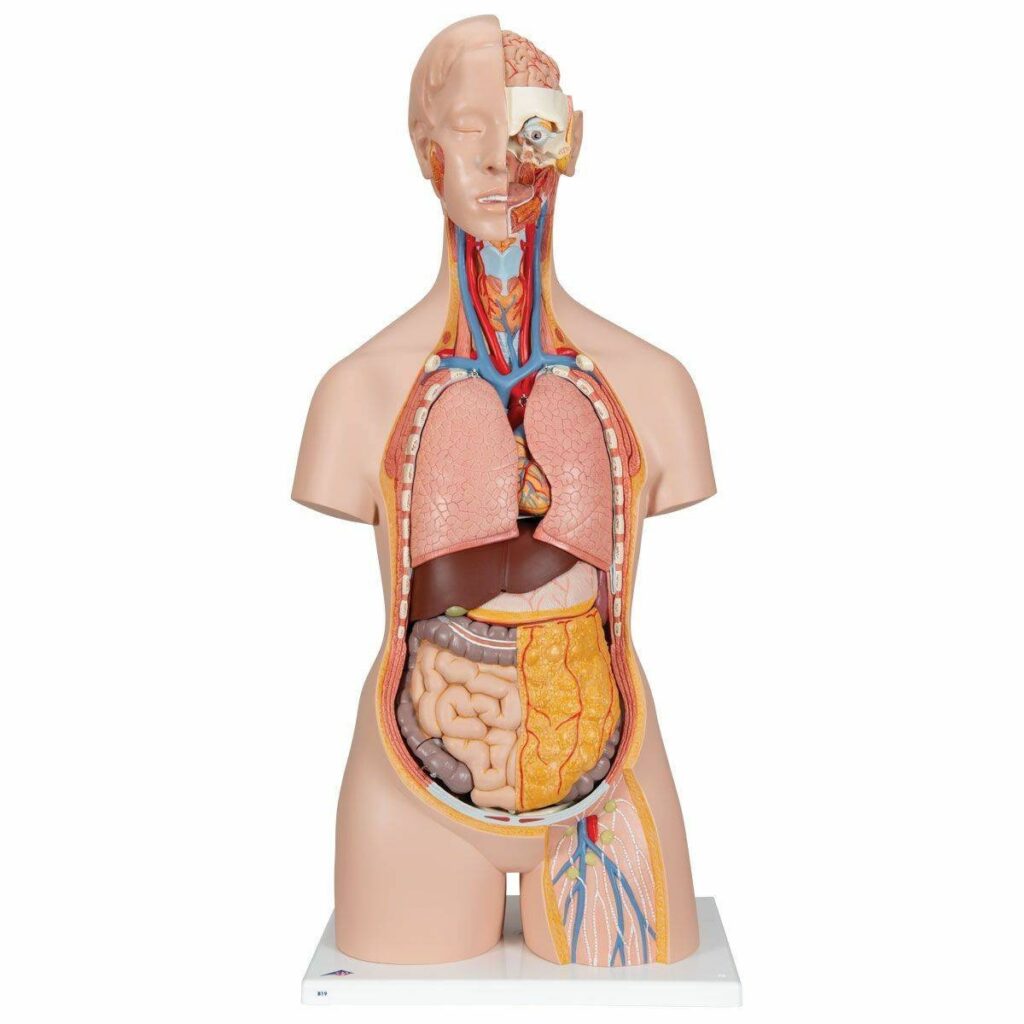
Search: Human Anatomy Torso Model
If you teach life science, this is one of the most important science classroom models to invest in. It is SHOCKING how many kids really don’t even know where their stomach is!
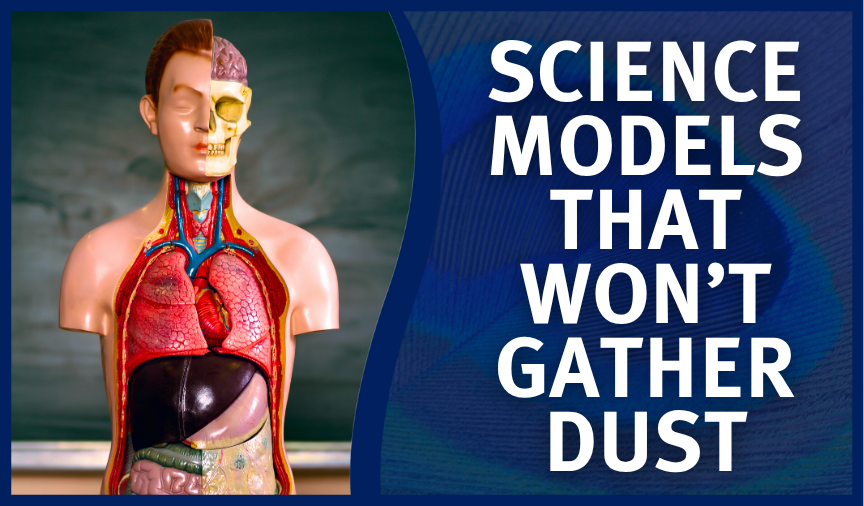
With the torso model, students can remove organs, examine how body systems fit together, and visualize structures that are otherwise difficult to understand from a diagram. I use mine during body systems units, but you’d be surprised how much I use it just to explain something about the body in regular discussions that just come up from time to time. Kids really have no idea where their parts are!
NGSS Connections: Human Body Systems, Evolution
Search: Life Size Human Skeleton Model
True story: When I arrived at my current school, I found a real, true life human skeleton hidden in a closet. (Her skull was plastic but the rest of her was 100% human.) It was probably from the 70s! Only I didn’t know it was a real human skeleton until I brought her home for a Halloween party and someone informed me that it was real, and that it was female. (Long story. And she haunted my house. Email me if you want details!)
Naturally, I named her Lucy.
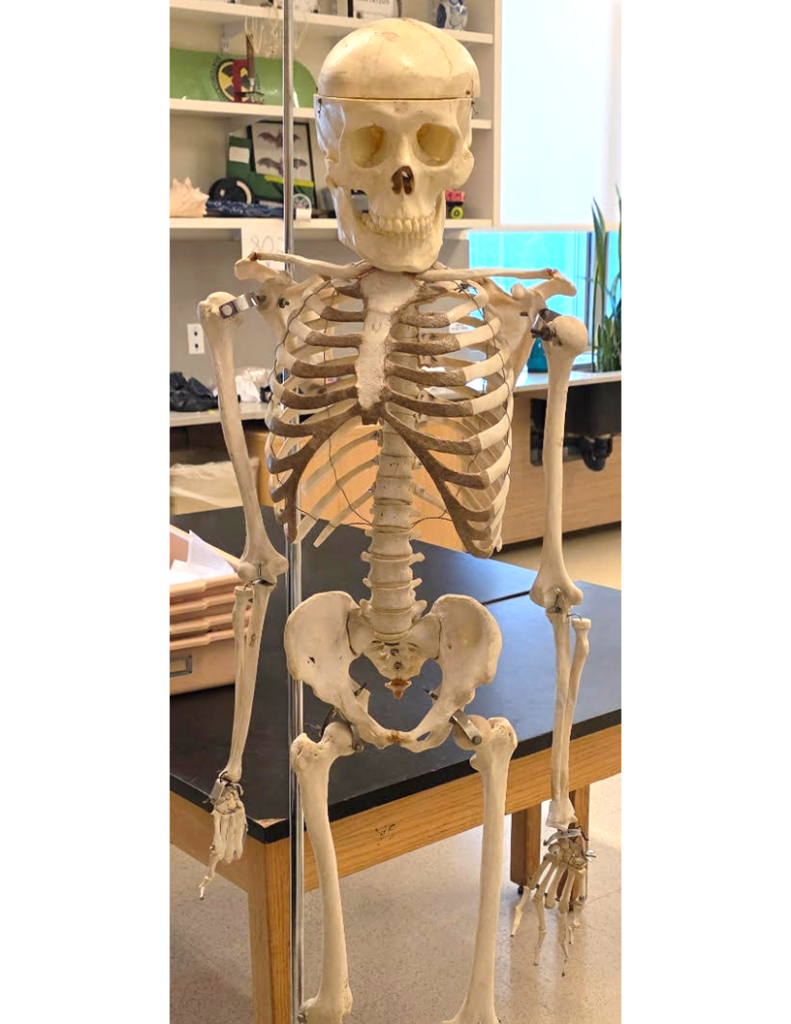
Students are ENDLESSLY fascinated by her. We use Lucy when discussing the skeletal system and evolution. A plastic skeleton will accomplish the same goals if you don’t happen to discover a real one lurking in a storage closet.
NGSS Connection: Waves
Search: Wave Science Model
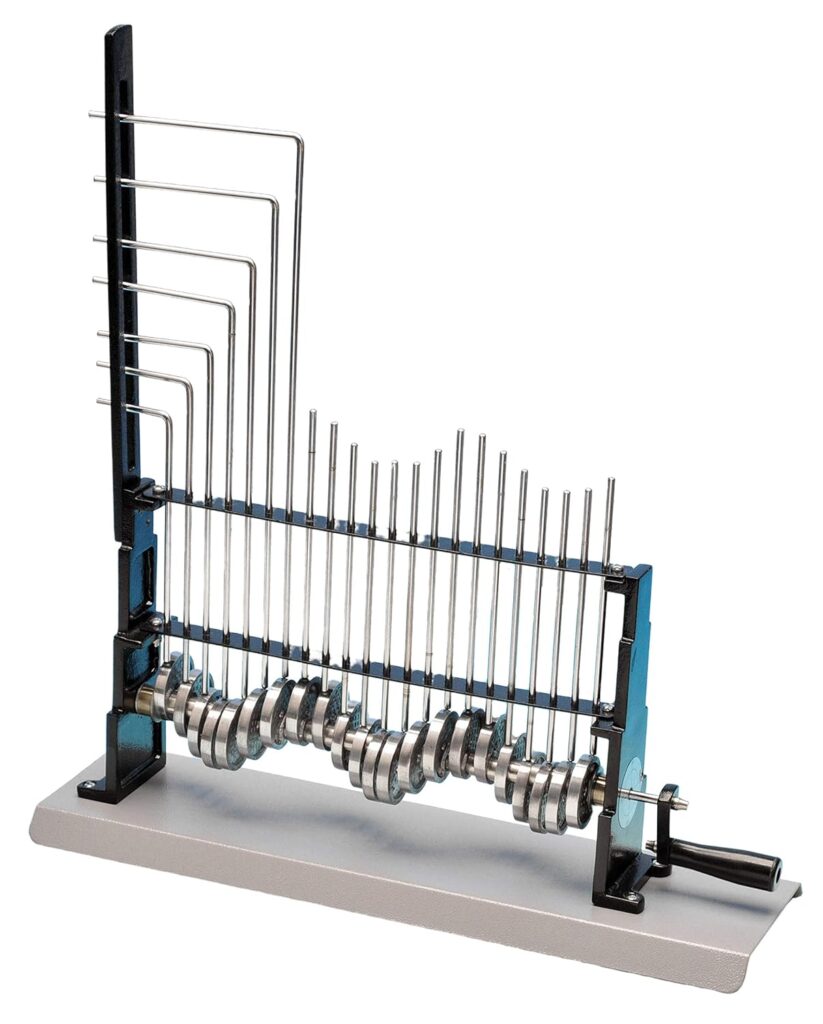
Wave concepts can be surprisingly difficult for middle school students because the energy moves while the matter generally stays in place. A wave machine helps students see wavelength, frequency, amplitude, crest, and trough in a concrete way. A MOVING model does so much more to show this than a diagram ever could!
If you want to make a wave model yourself (it’s cheap and relatively easy), I wrote up directions for you!
NGSS Connections: Moon Phases, Tides, Seasons
Search: Sun Earth Moon Orbiter Model
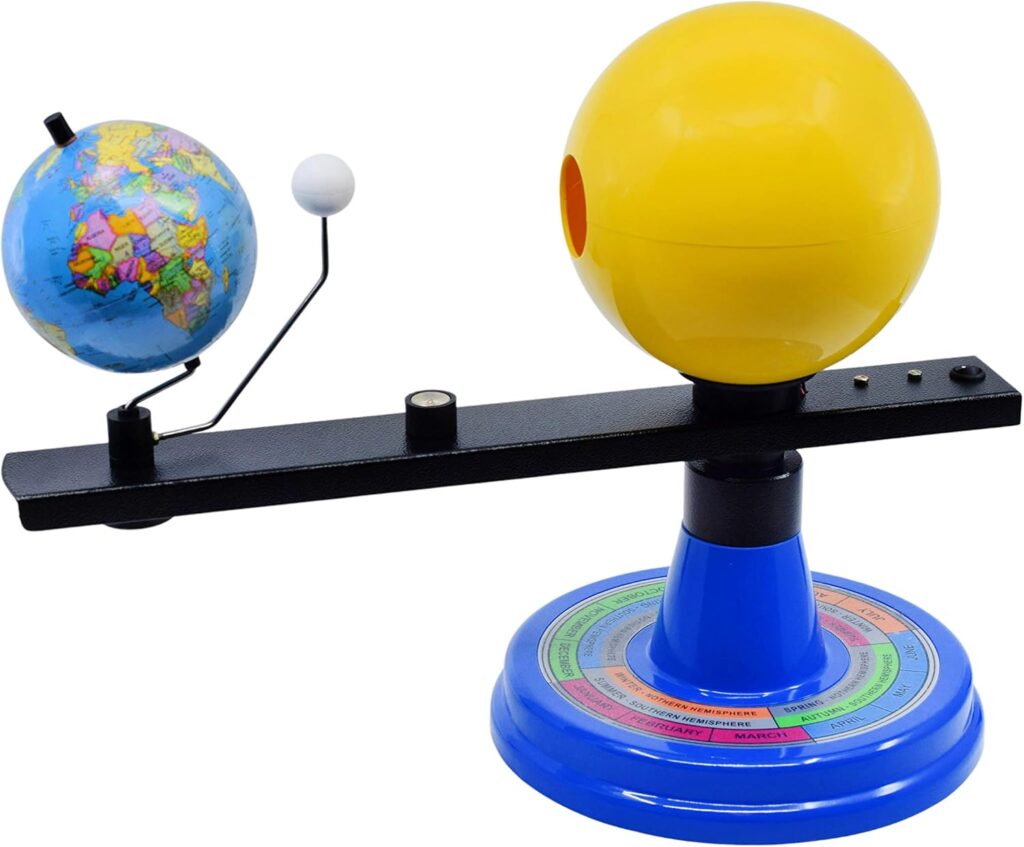
This is one of those science classroom models that earns its shelf space every year.
Students often arrive with misconceptions about seasons, moon phases, and eclipses. I always use mine to show how the moon is moving around the Earth AT THE SAME TIME as the Earth is moving around the Sun. For whatever reason, my kids always have a hard time with this idea! This model gets the whole crowd going “OOOHHHHHHHHHHH!” They get it now!
NGSS Connection: Tides Portion of MS-ESS1-1
Search: Earth Moon Tides Model ← Try searching if you want, but I have never found a good one!
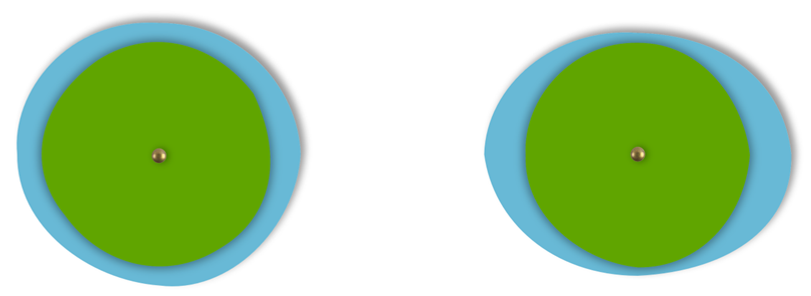
Tides are one of those concepts that many students struggle to visualize. Unfortunately, I have kept my eyes open for a good model to show this for TWO DECADES of teaching… and I have yet to find one! (Please let me know if you have!)
So, I made one myself to show the difference between spring and neap tides.
Download my tides model directions for free – it comes with full directions and a discussion guide!

And the best part is that the only supplies are blue poster board (1), green poster board (1), and brass paper fasteners (2).
NGSS Connections: Plate Tectonics, Thermal Energy, Density, Weather
Search: Convection Current Demonstration Model
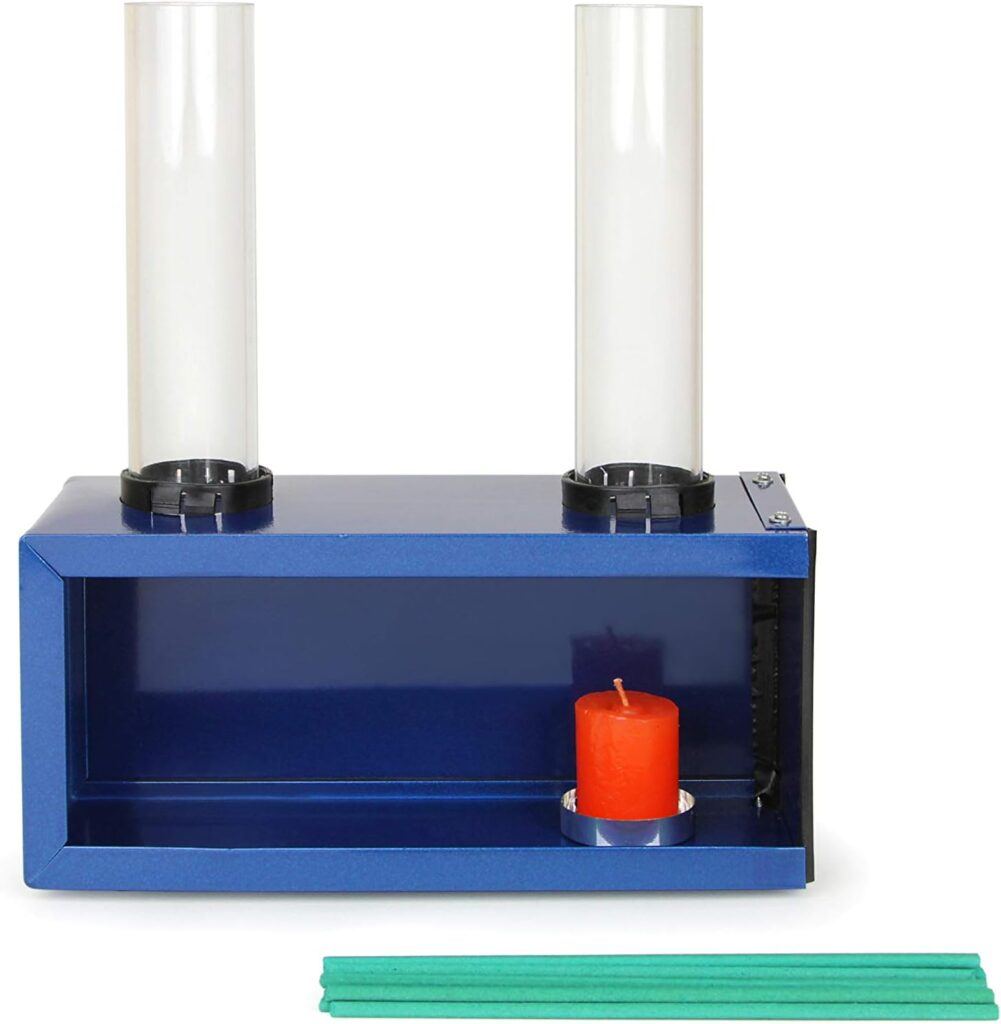
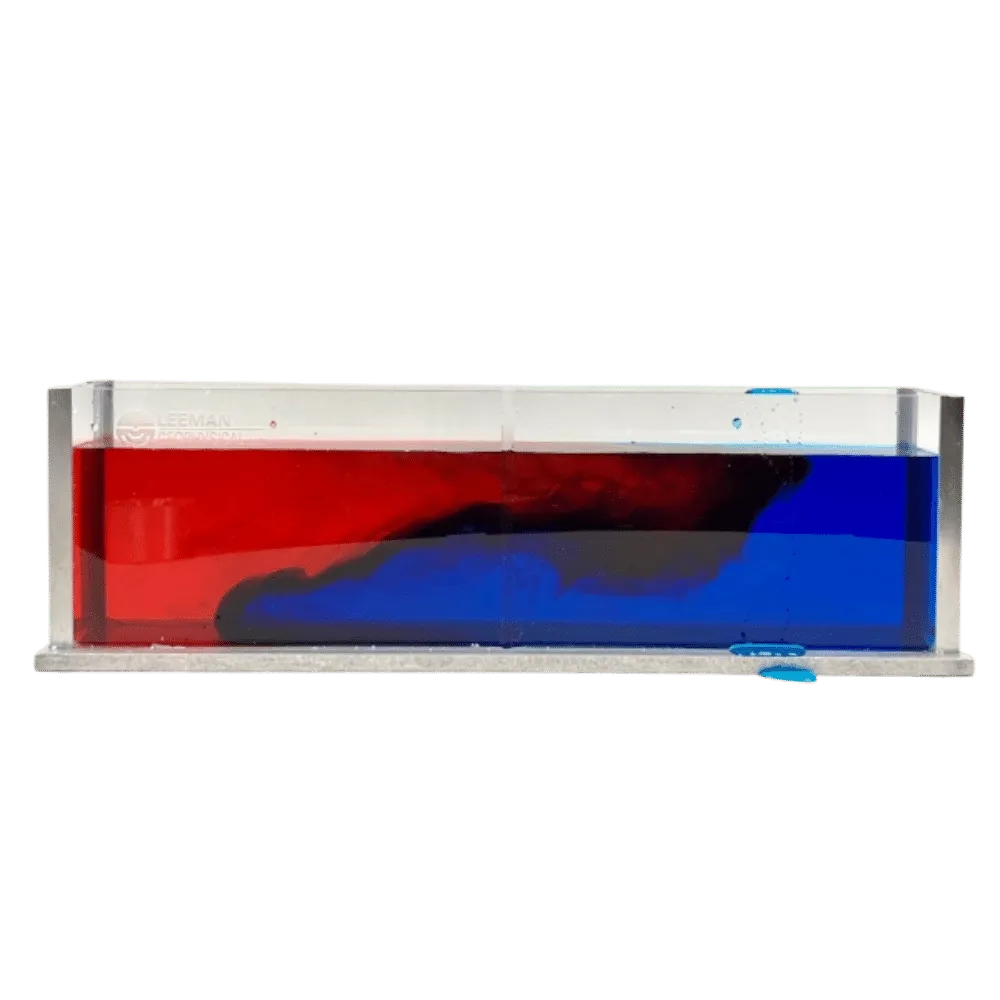
If I had to choose ONE model to keep, a convection model might be it. But I can’t choose between my two favorite convection models, so I won’t. One shows convection in the air and the other shows convection in a liquid.
Convection shows up everywhere: mantle movement, plate tectonics, atmospheric circulation, ocean currents, density as a property of matter, and weather systems. Students often struggle to understand density-driven movement, and this model makes those invisible processes visible.
See my convection box in action HERE or watch my density box in action HERE!
NGSS Connections: Atoms, Elements, Classification of Matter
Search: Molecular Model Kit Chemistry
One year, when my district had a little extra money, I bought a TON of these! I don’t keep them in these nice little divided containers that they come in, though. I throw them all in a big bin!
I use this ALL. THE. TIME. Obviously, they get used when teaching elements and compounds, but they are also useful to model the reactants and products of chemical reactions and visualize how atoms rearrange. I even use them in life science to model photosynthesis and respiration. In Earth science, I use them to model the components of air.
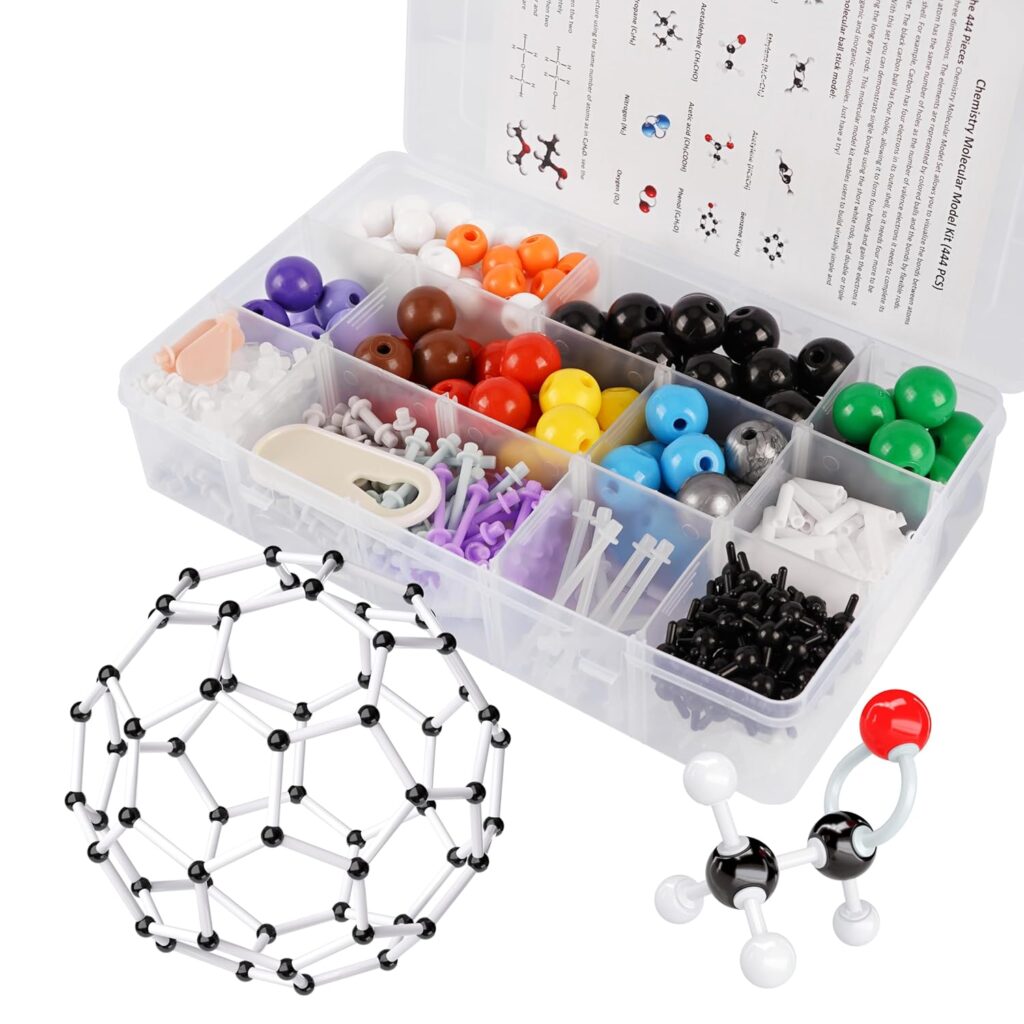
Here’s a tip for my rookie science teachers out there: “Balls” do not exist in a middle school classroom. Atom models are SPHERES. Spheres. Not balls.
If you want to learn more about how I teach the classification of matter, read my BLOG POST HERE.
NGSS Connections: Structure of DNA & Mutations
Search: DNA Model
DNA is one of the most important concepts in life science, but it’s difficult for students to picture the double helix. I love being able to UN-twist my DNA model to be able to show the ladder structure, and then let it go to twist back into the… well… twist.
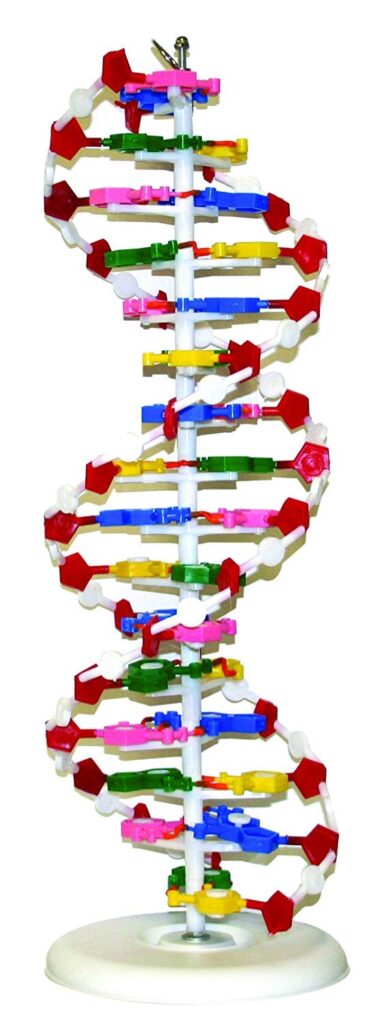
You do need to be VERY careful when ordering a DNA model, because believe it or not, they are not all accurate. First, make sure you get one that can untwist to show the ladder structure. Second, make sure that you get one that makes it obvious that the sides of the “ladder” are phosphate-sugar-phosphate-sugar. Some just have a one-color ribbon all the way down the side. And, you need to make sure that the model shows the nucleotide connecting to the sugar, not just anywhere on the side of the ladder.
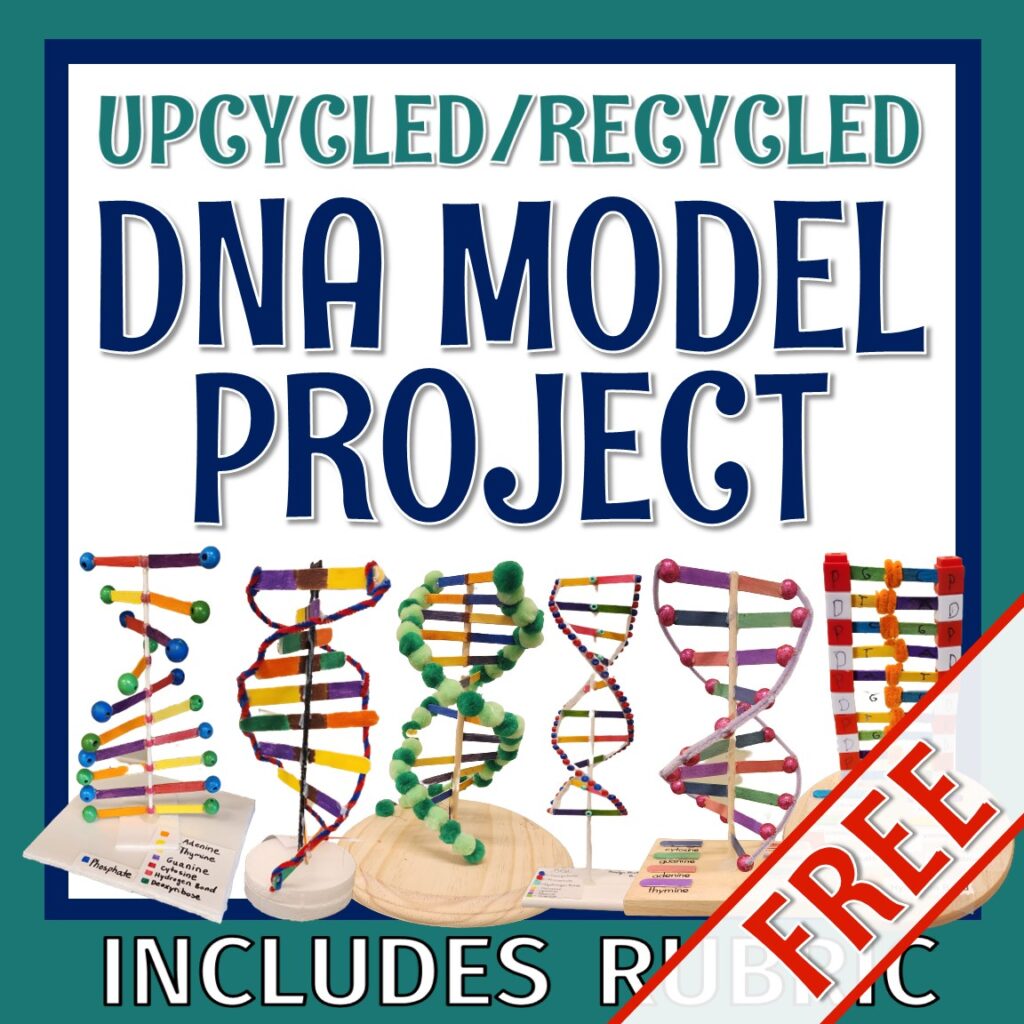
If you want to have your students build their own model of DNA, check out my FREE student sheet HERE!
NGSS Connections: Changes to Earth’s Surface, Weathering/Erosion/Deposition
Search: Stream Table Classroom Model
This is one of the messier science classroom models on the list, but it’s worth it. I also recommend you use it a few times before you try it in front of a class!
A stream table lets you flow water over sediment to simulate how rivers erode, transport, and deposit materials. You can manipulate variables like slope, water volume, or sediment type to observe how those changes affect stream behavior in real time. It’s basically a miniature river in a box that lets students see erosion and deposition happening right in front of them.
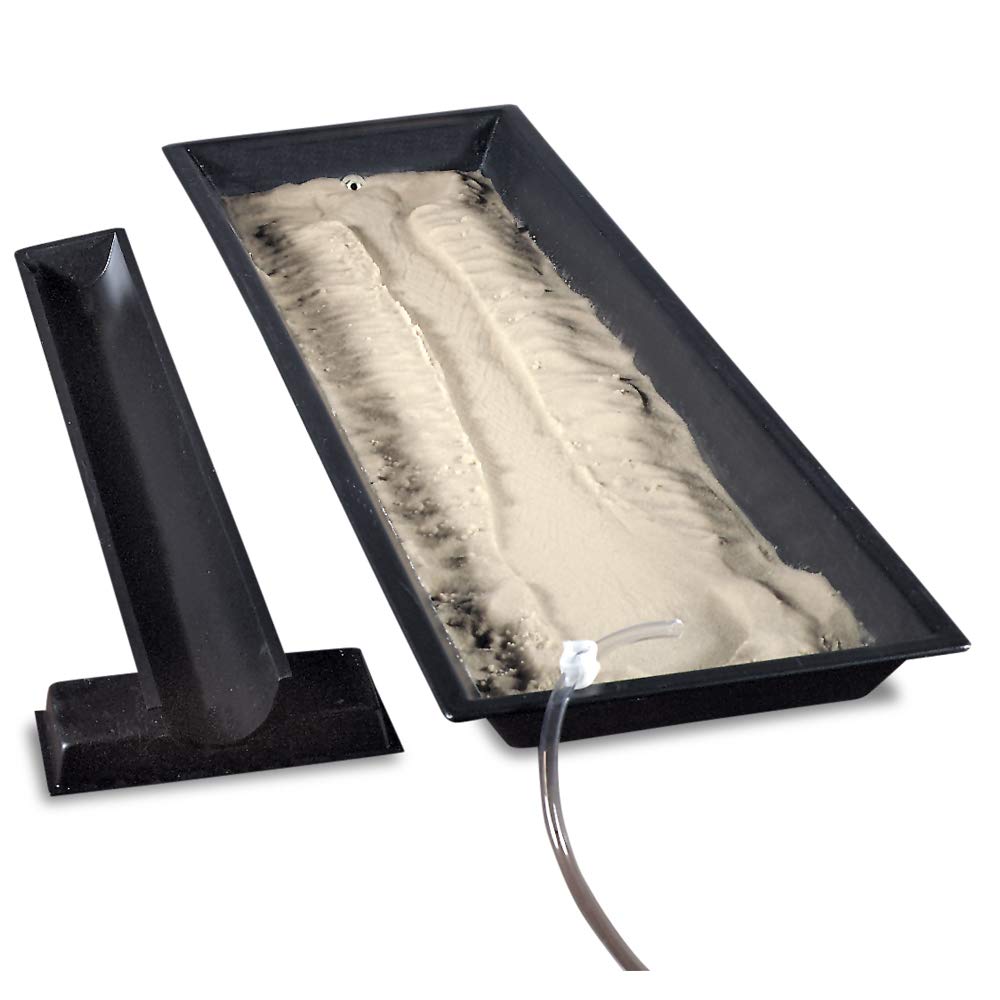
Good ones are pretty expensive, so we share one of these as a department.
NGSS Connections: Weather, Atmospheric & Oceanic Circulation
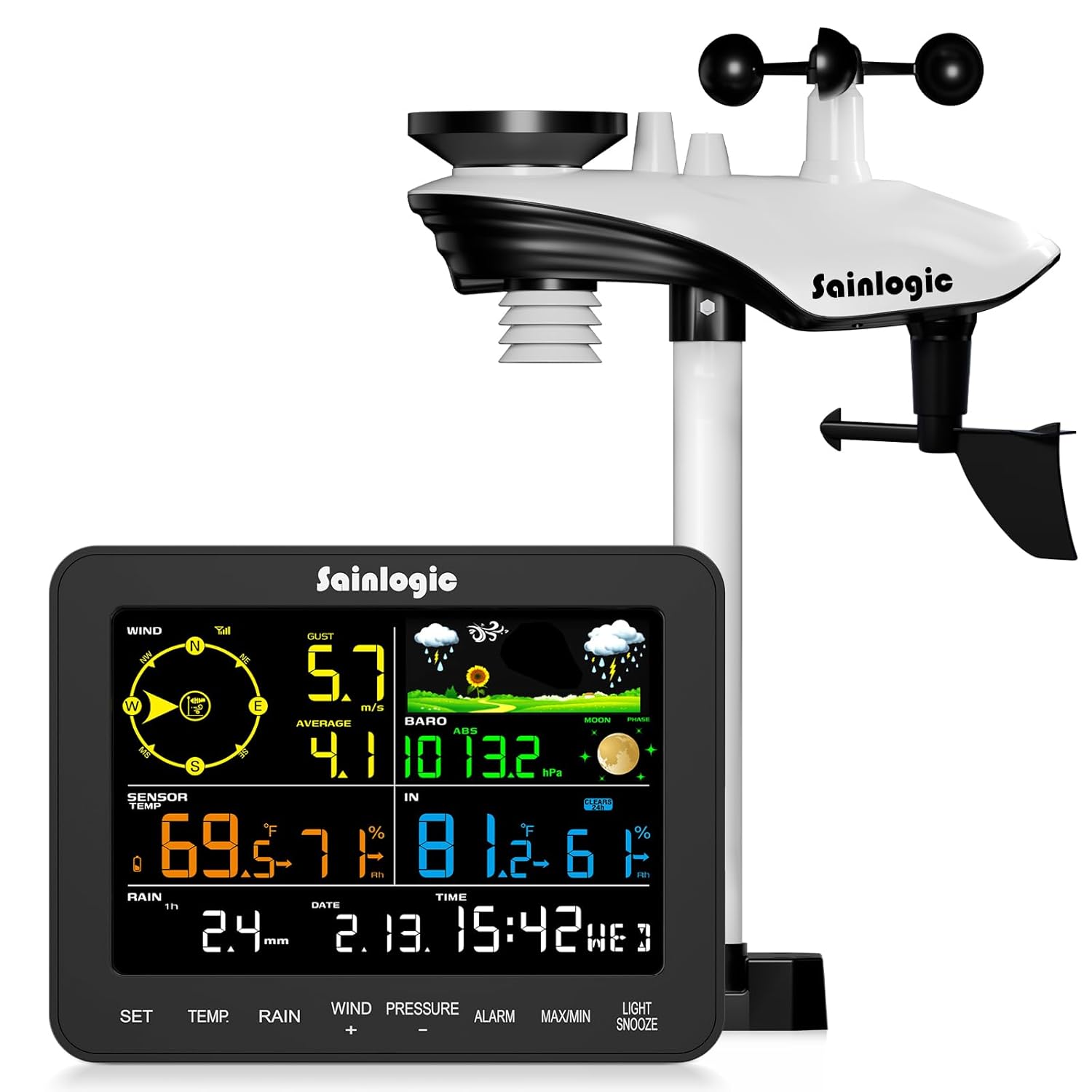
Search: Classroom Weather Station Kit
While I would LOVE to have a fancy weather station in my classroom, I was told that I am not allowed to mount it to the building. So there goes that idea! I do not have the fancy weather station.
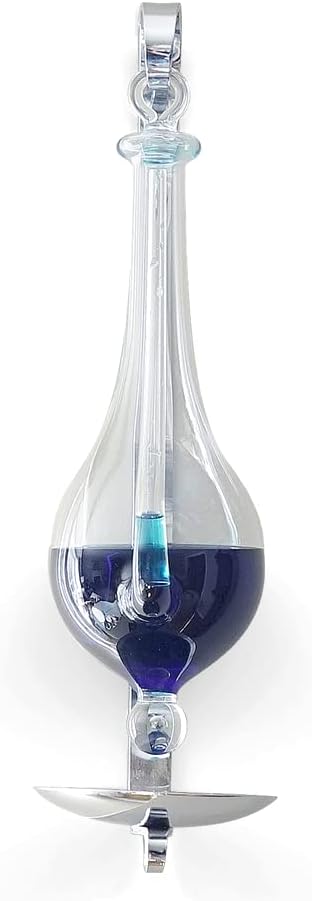
However, I DO have a very simple barometer in my classroom, and it is probably more effective at ACTUALLY SHOWING air pressure than any digital display could! Kids love checking it out, and they ESPECIALLY love it when it looks like it just might spill over!
NGSS Connection: Reproduction
Search: Flower Model
When I teach reproduction, I always include both plant and animal sexual and asexual reproduction. This model comes in handy when trying to explain to kids how flowers reproduce.
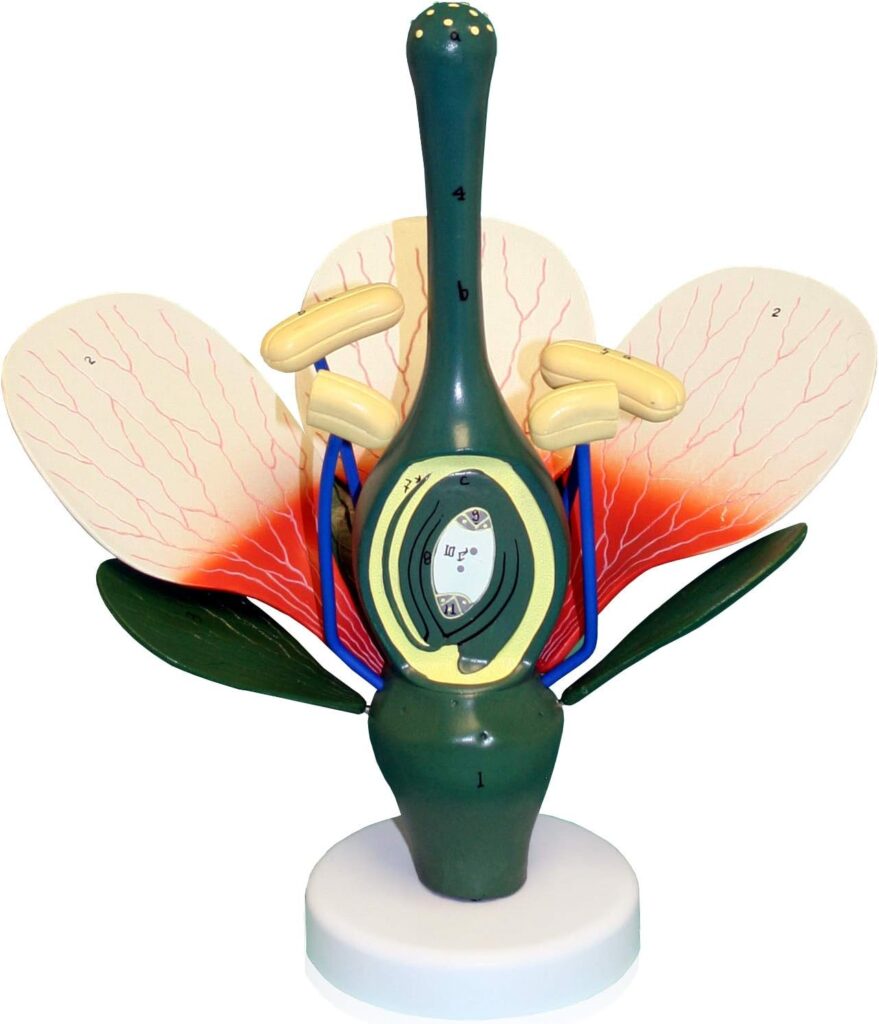
To take flower reproduction to another level, I also have kids dissect the seed pods (not the flowers…. the seed pods) of daffodils every year. Learn more about how I do that HERE.
BONUS: I love my flower model for how pretty it looks on the shelf!
NGSS Connection: Plate Tectonics
Search: Plate Tectonics Model
Soooo… I don’t own this one yet – but it is my NEXT science classroom models purchase! (For my veteran teachers, am I crazy that this is new? Where has this been all my life?!)
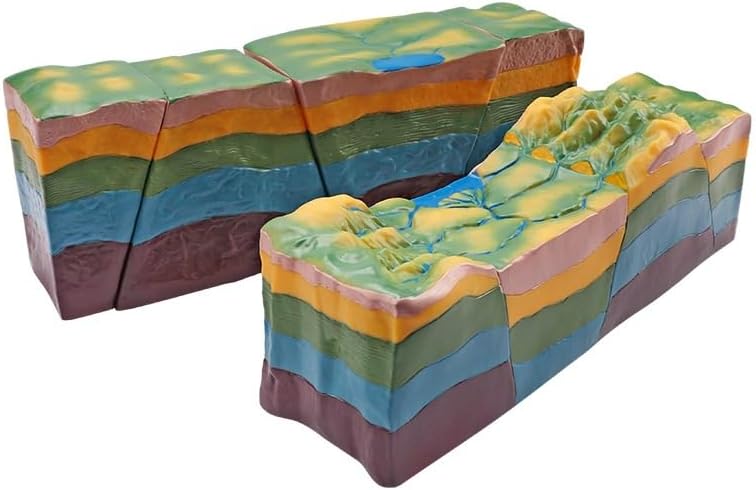
Many students struggle to connect plate boundaries with the landforms and geological events they create. I think that this model looks SUPER helpful to allow students to better visualize convergent, divergent, and transform boundaries.
The best science classroom models aren’t necessarily the most expensive ones, and you can definitely make a few yourself.
The best science models are also not the flashiest, but they’re the ones students actually touch and actually learn from.
They’re the ones that come off the shelf over and over again throughout the year.
As an Amazon Associate I earn from qualifying purchases.