Looking for a more RIGOROUS water cycle CER activity? Spark critical thinking with DATA ANALYSIS and CER stations!
⭐ Get this activity at a HUGE DISCOUNT in my complete WATER CYCLE UNIT! ⭐
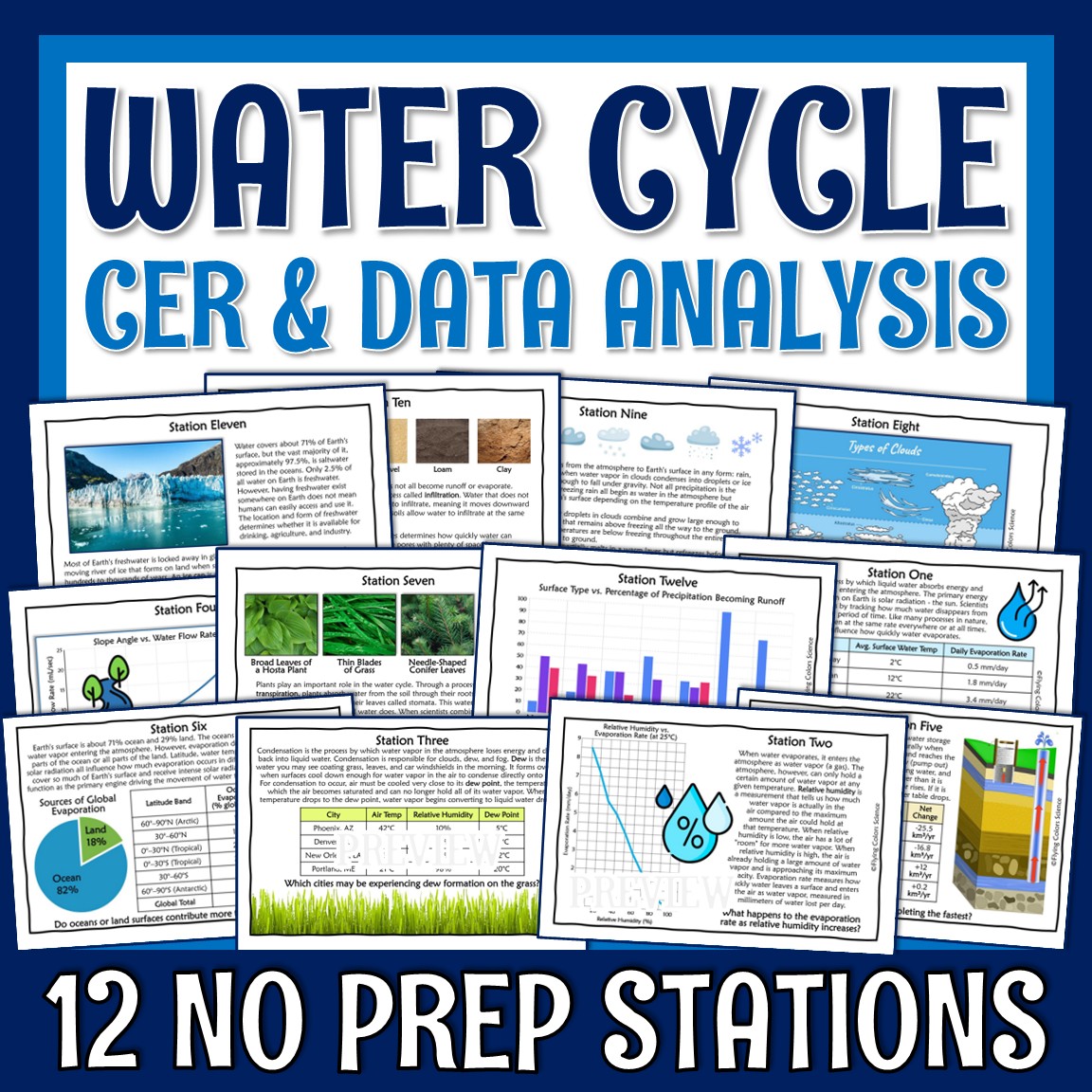
This Water Cycle Activity gets students analyzing REAL DATA while applying their understanding of key water cycle processes such as evaporation, condensation, runoff, infiltration, transpiration, and precipitation.
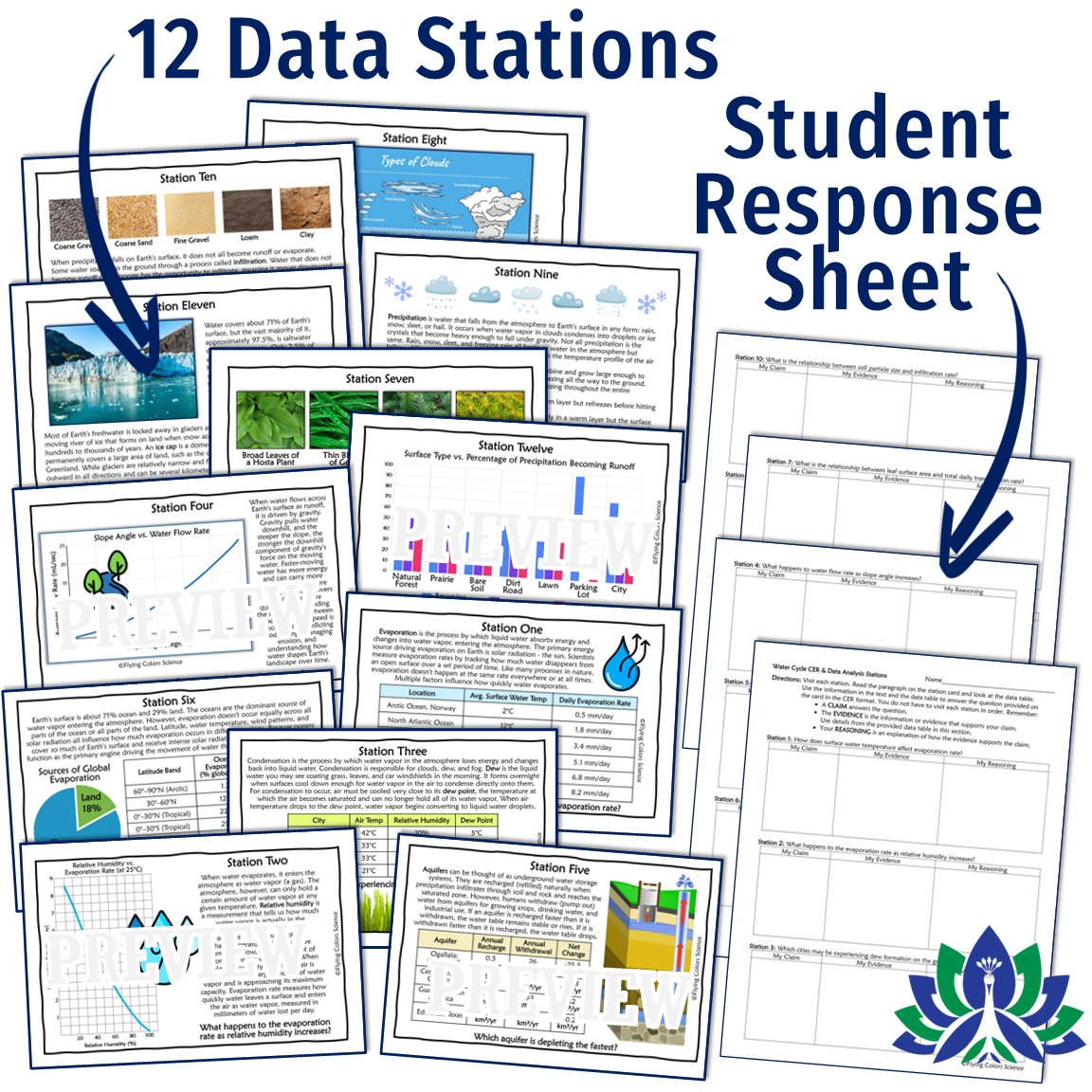
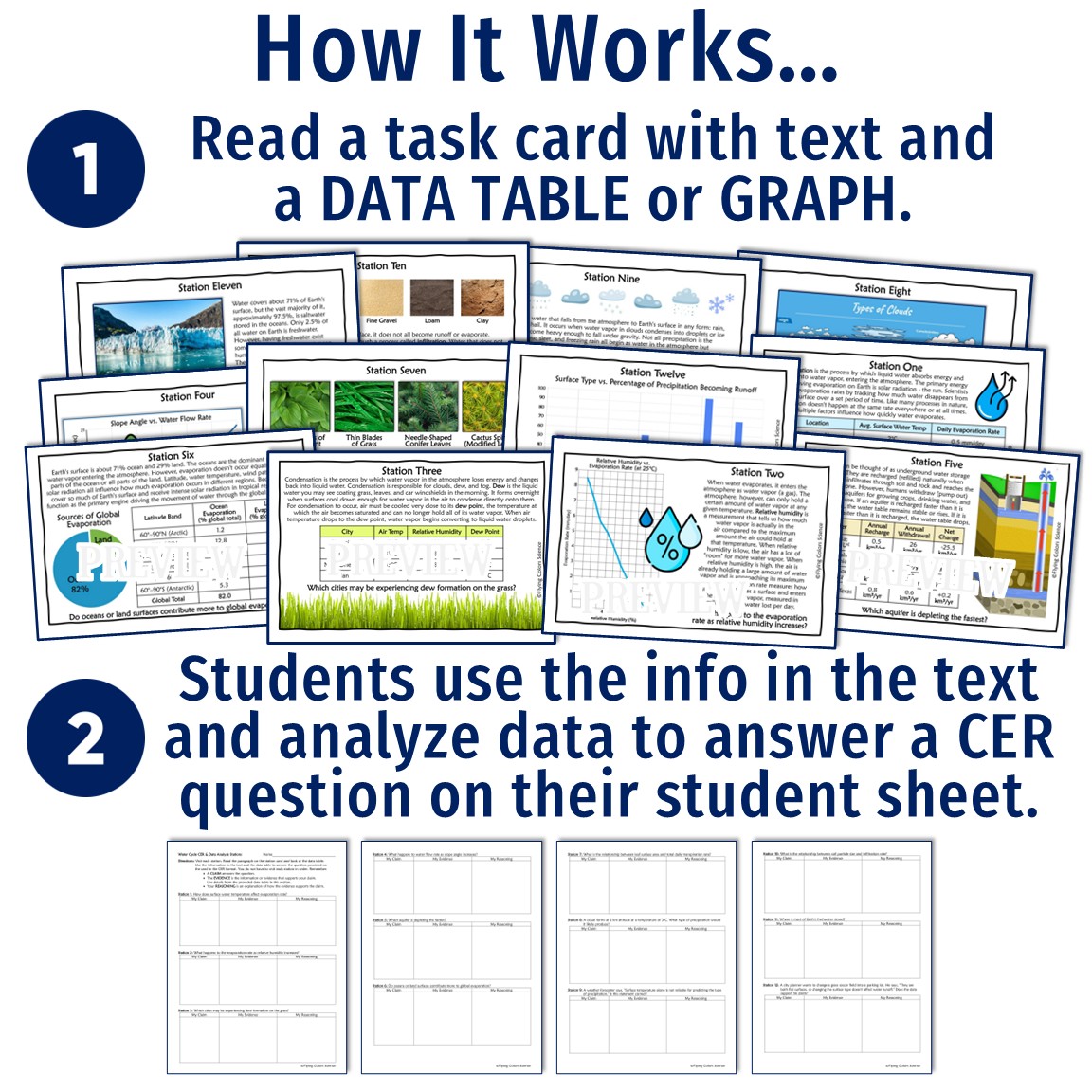
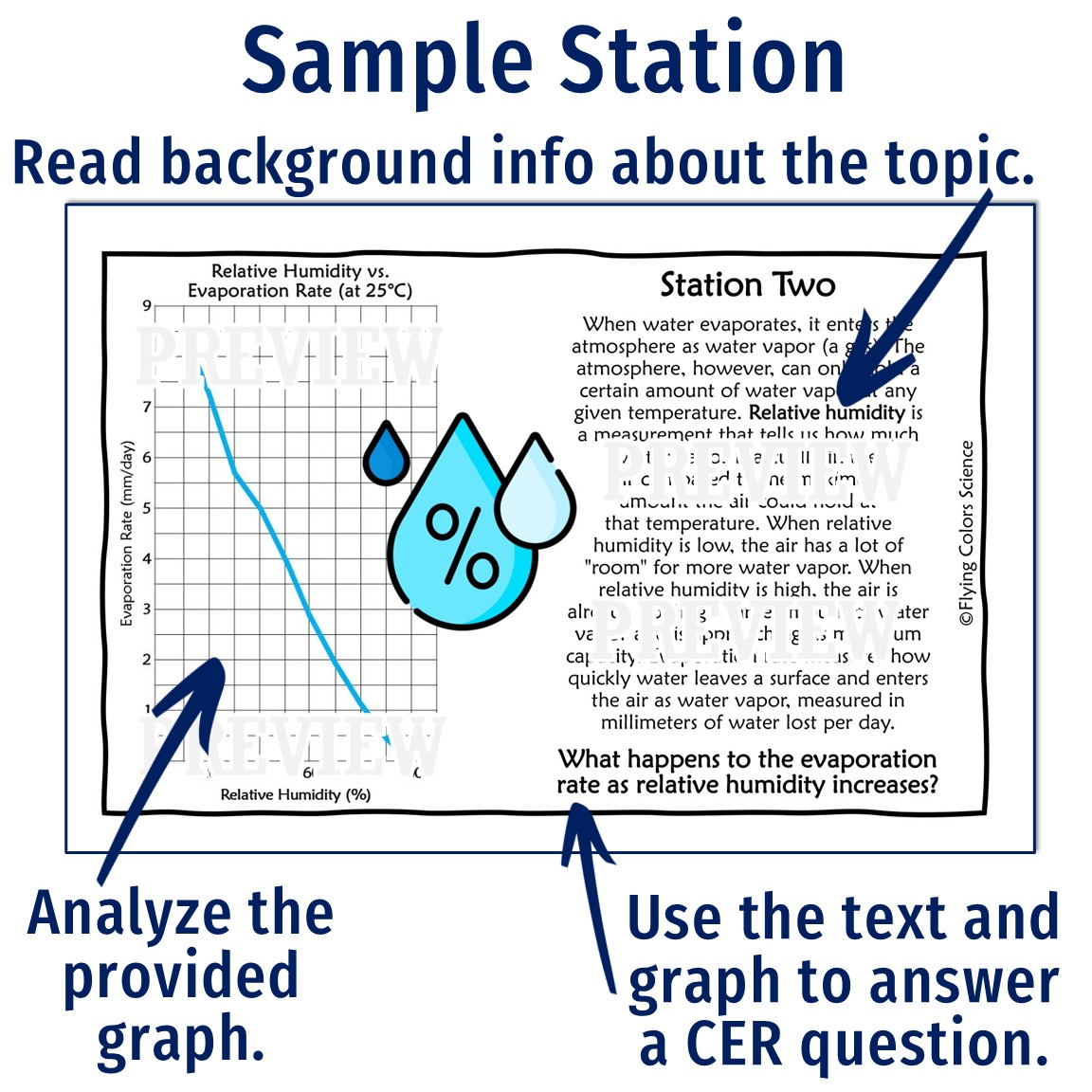
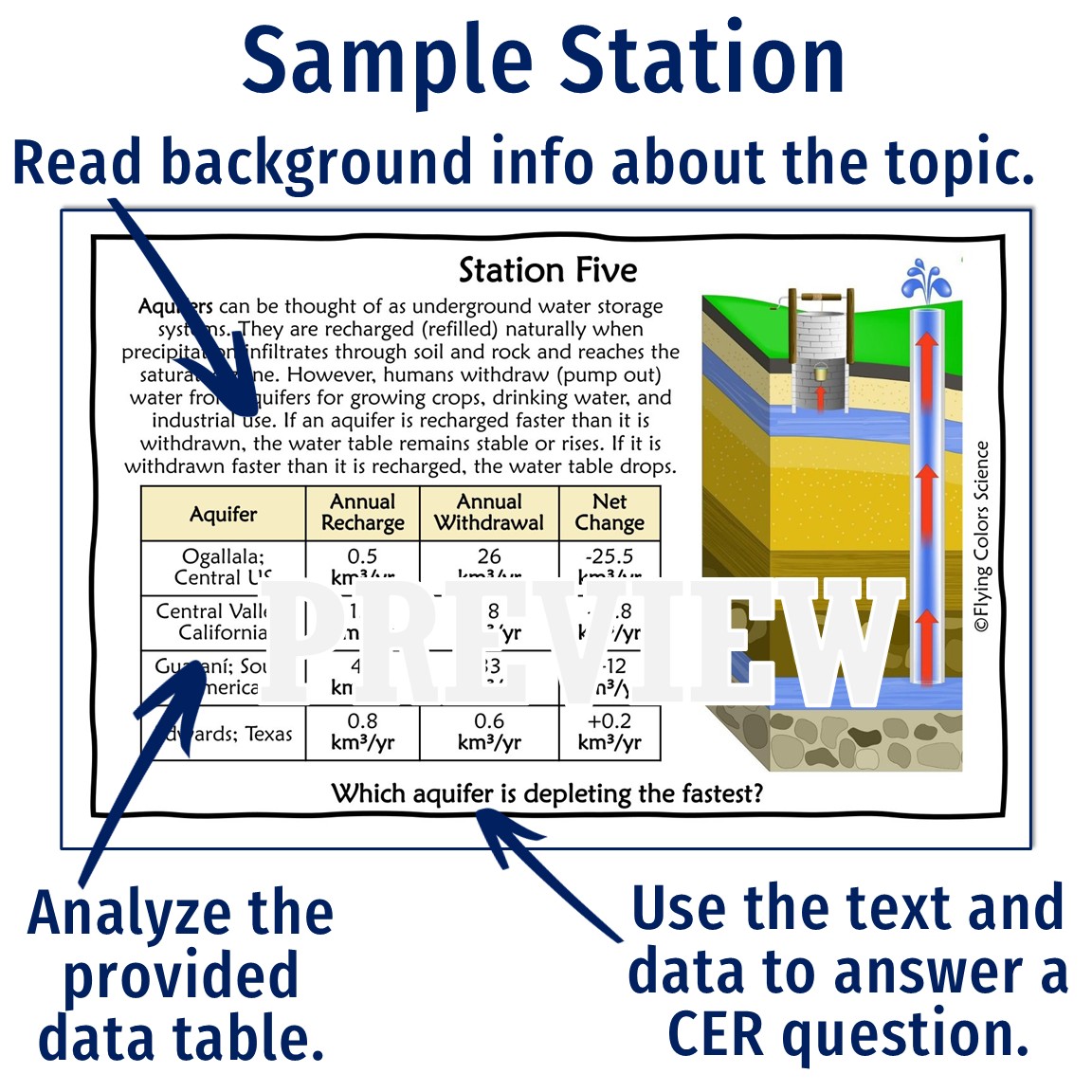
Students rotate through 12 data analysis stations, reading short scientific explanations and interpreting graphs, tables, and diagrams to construct Claim-Evidence-Reasoning (CER) responses.
Topics include evaporation rates, dew formation, aquifer depletion, soil infiltration, transpiration, freshwater distribution, precipitation types, and human impacts on runoff.
This NGSS-aligned middle school Earth science activity is perfect for review, test prep, or reinforcing MS-ESS2 Earth systems and the water cycle, while building students’ ability to interpret scientific data and support claims with evidence.
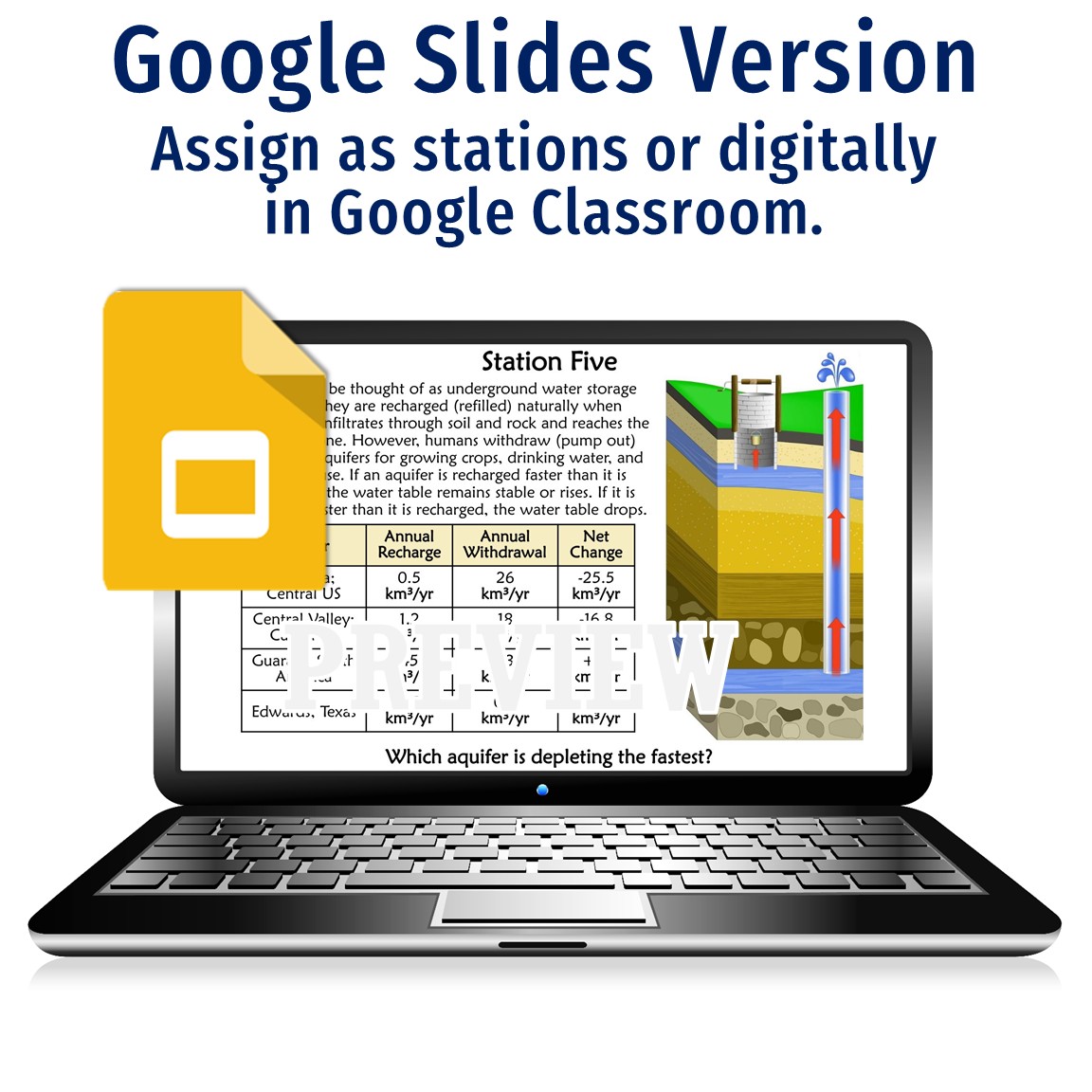
Includes both paper-based and digital Google Slides options to assign.
HOW IT WORKS: Students visit 12 NO PREP stations. At each, students will:
12 NO PREP Stations Cover the Following Topics:
Related Standard:
Teacher Notes:
| Cookie | Duration | Description |
|---|---|---|
| cookielawinfo-checkbox-analytics | 11 months | This cookie is set by GDPR Cookie Consent plugin. The cookie is used to store the user consent for the cookies in the category "Analytics". |
| cookielawinfo-checkbox-functional | 11 months | The cookie is set by GDPR cookie consent to record the user consent for the cookies in the category "Functional". |
| cookielawinfo-checkbox-necessary | 11 months | This cookie is set by GDPR Cookie Consent plugin. The cookies is used to store the user consent for the cookies in the category "Necessary". |
| cookielawinfo-checkbox-others | 11 months | This cookie is set by GDPR Cookie Consent plugin. The cookie is used to store the user consent for the cookies in the category "Other. |
| cookielawinfo-checkbox-performance | 11 months | This cookie is set by GDPR Cookie Consent plugin. The cookie is used to store the user consent for the cookies in the category "Performance". |
| viewed_cookie_policy | 11 months | The cookie is set by the GDPR Cookie Consent plugin and is used to store whether or not user has consented to the use of cookies. It does not store any personal data. |