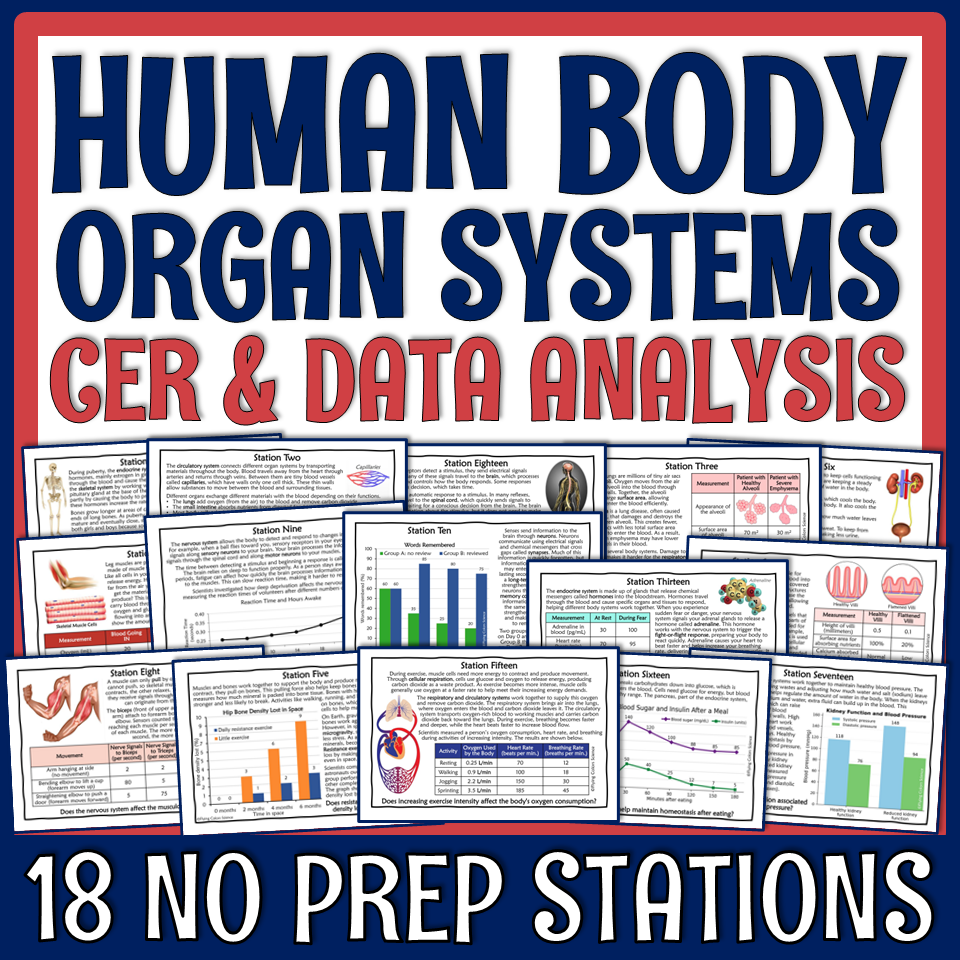
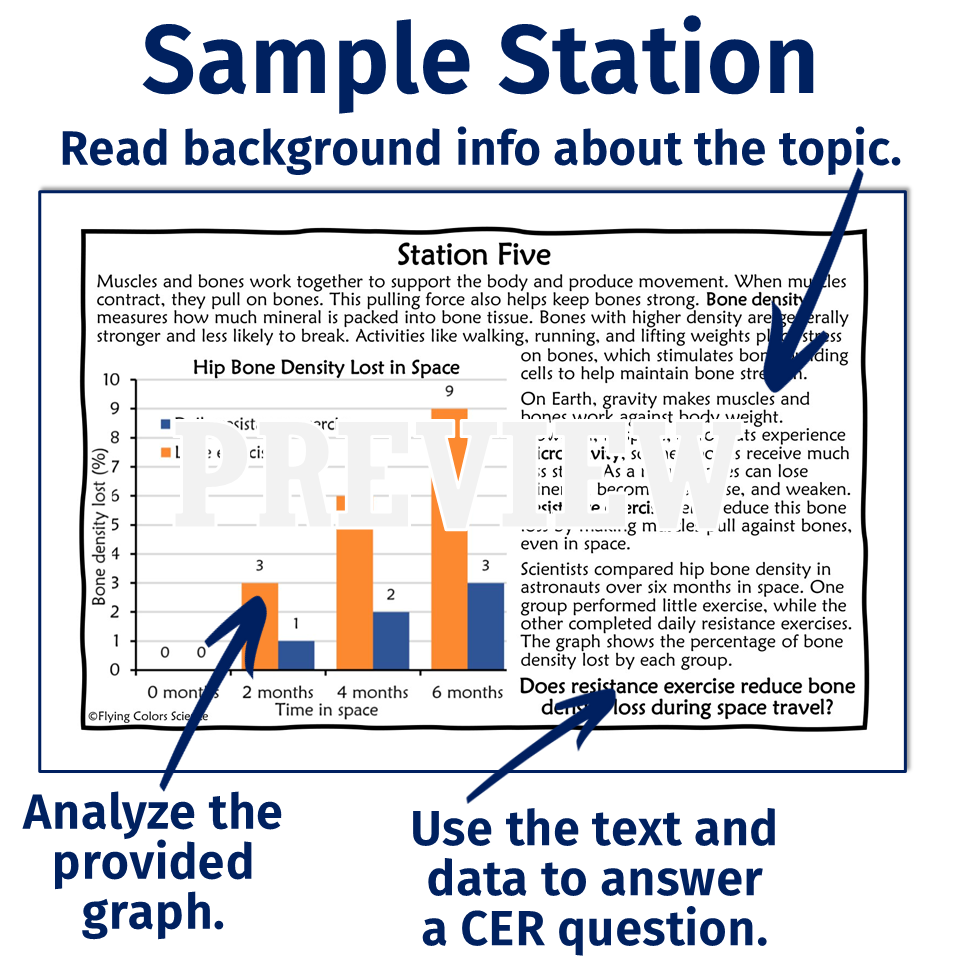
Looking for a more RIGOROUS human body organ systems CER activity? Spark critical thinking with DATA ANALYSIS and CER stations! Perfect for NGSS MS-LS1-3!
This Human Body Organ Systems Data Analysis Activity gets students analyzing REAL-WORLD EXAMPLES and DATA while applying their understanding of the 10 MAJOR HUMAN BODY SYSTEMS and how they work together to keep the body functioning.
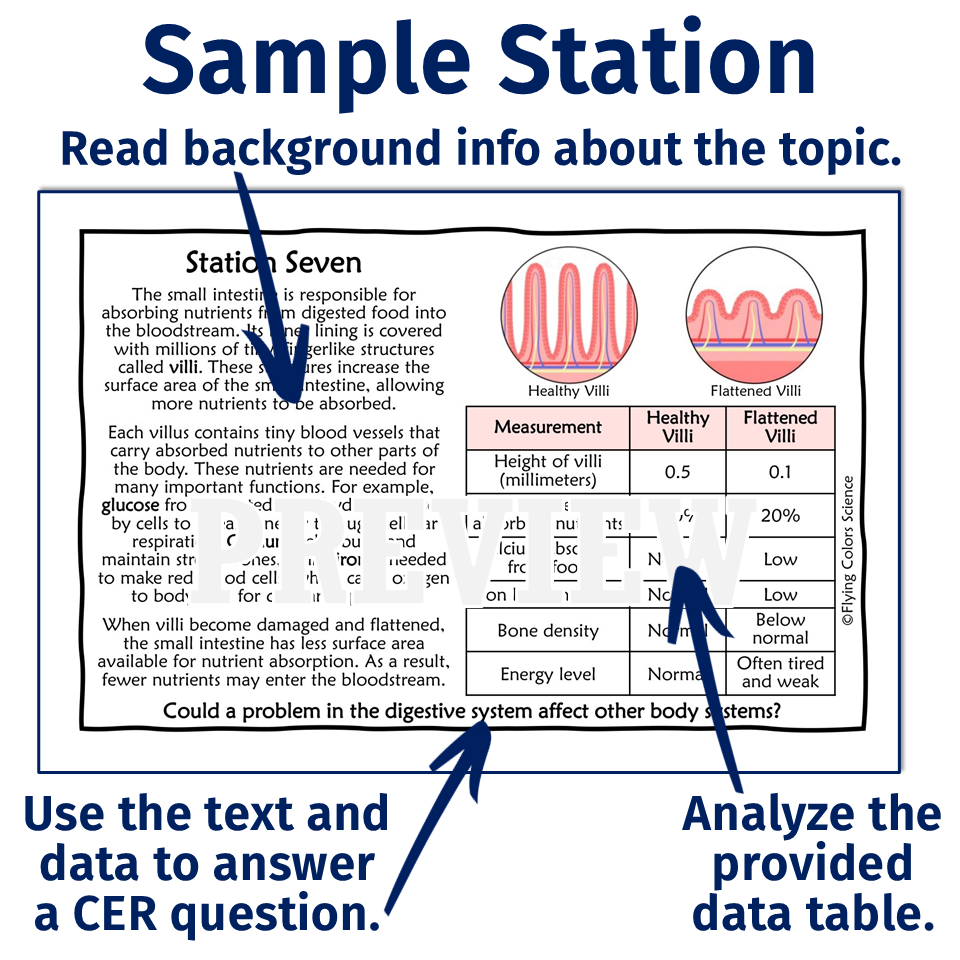
A major focus of this activity is HOW BODY SYSTEMS INTERACT AND DEPEND ON ONE ANOTHER. Rather than simply memorizing organs and their functions, students investigate how different systems work together, how a problem in one system can affect others, and how multiple systems cooperate to maintain HOMEOSTASIS and keep the body’s internal conditions stable.
⭐ Get this at a HUGE DISCOUNT in my HUMAN BODY SYSTEMS UNIT! ⭐
Please note: If you like my other CER & Data Analysis Activities, you’ll like this one, too – but know that it’s a little more challenging than my usual!
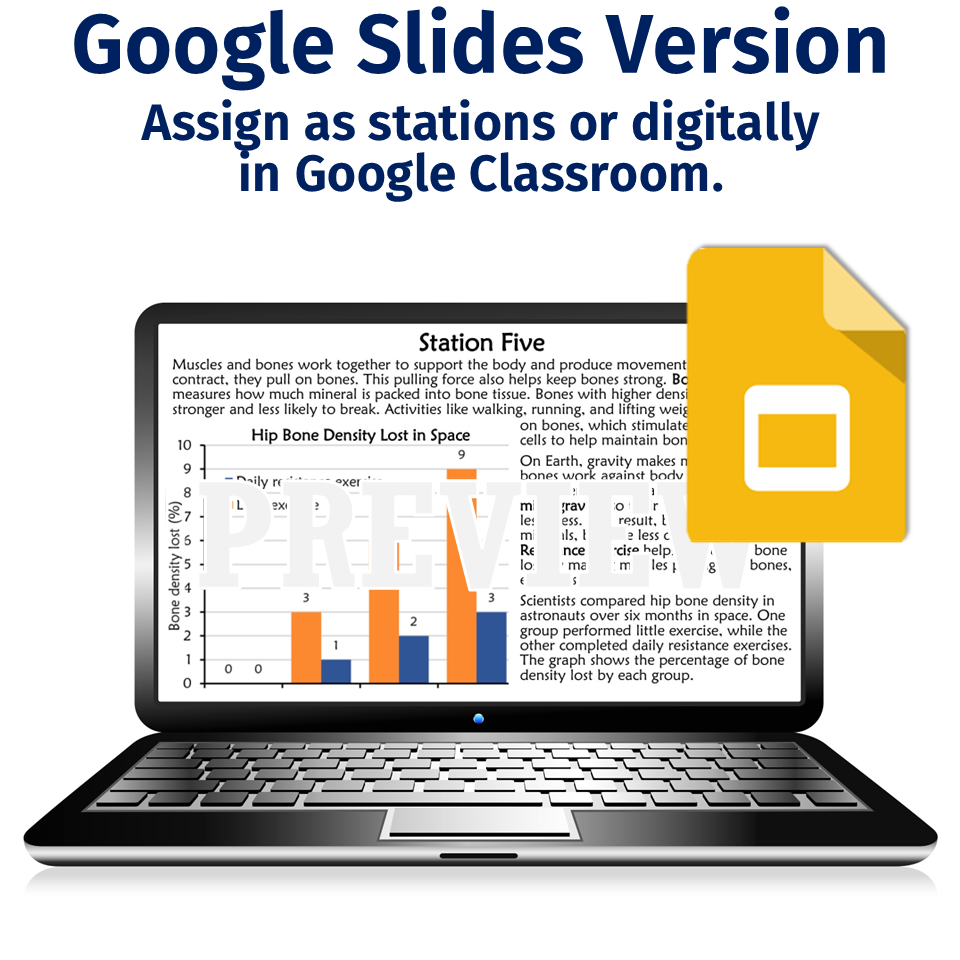
Includes both paper-based and digital Google Slides options to assign.
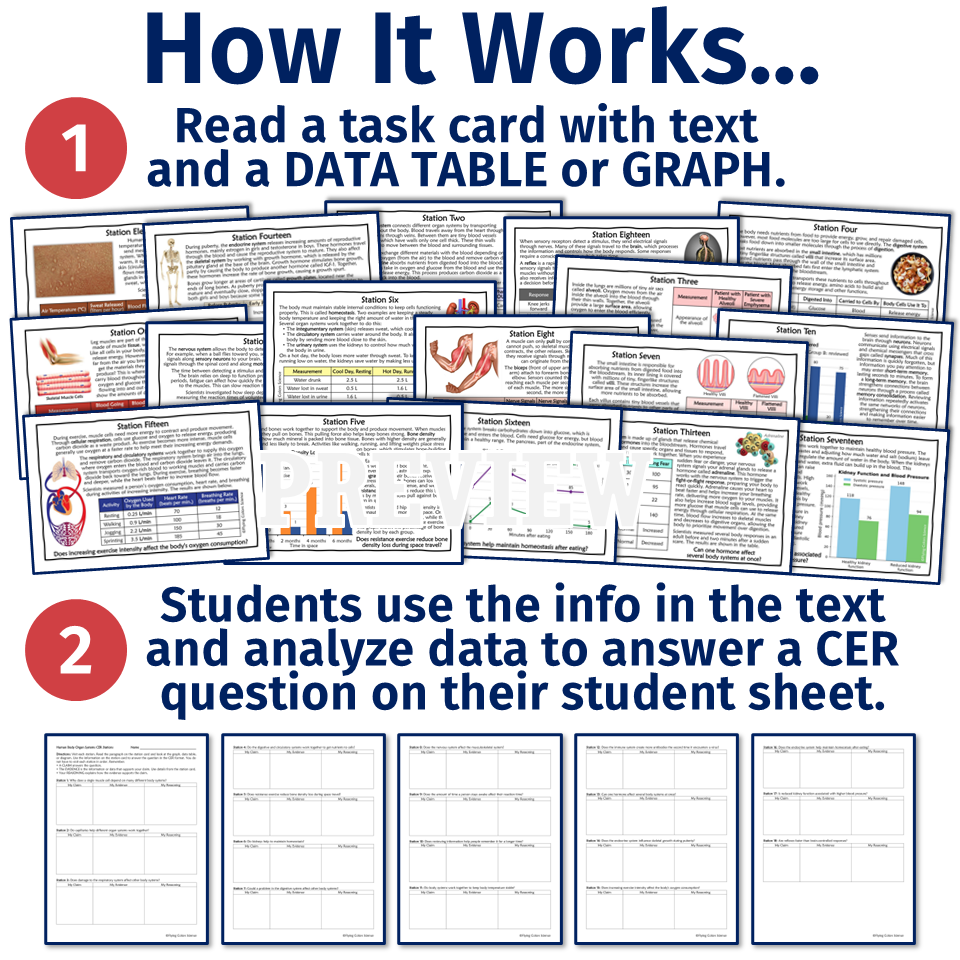
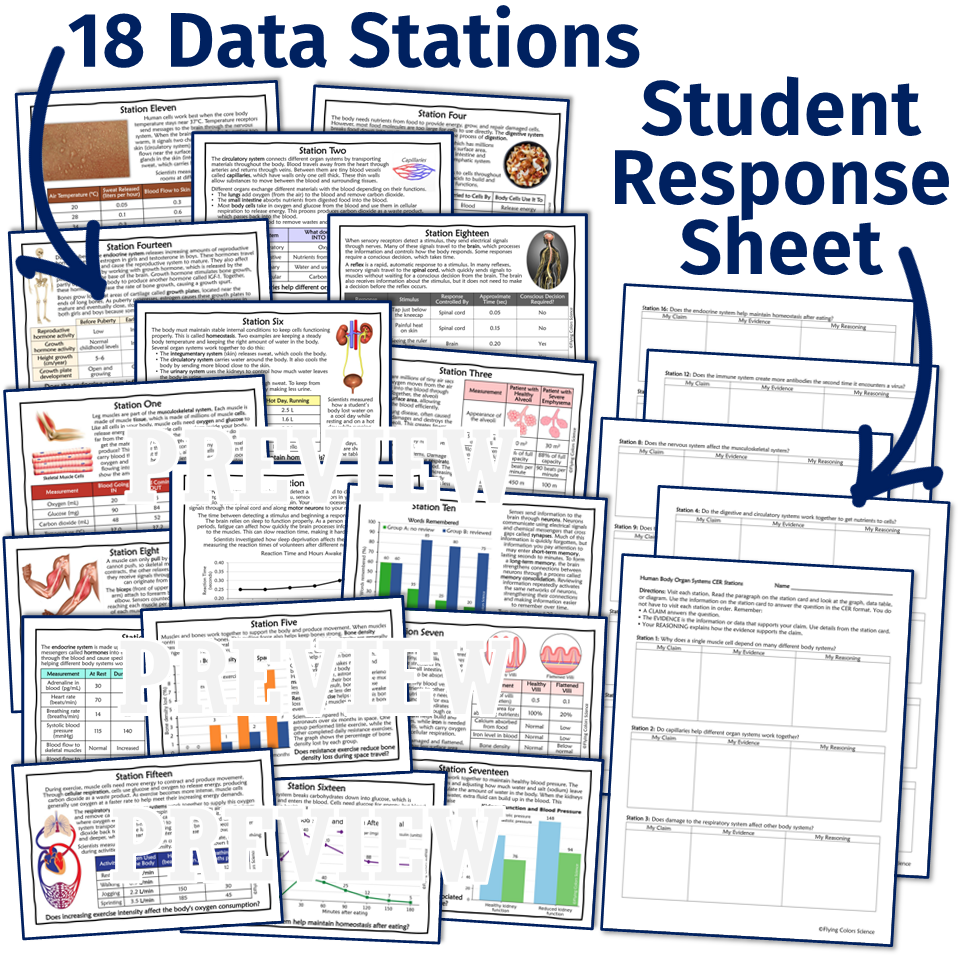
HOW IT WORKS: Students visit 18 NO PREP stations. At each, students will:
The 18 NO PREP Stations Cover:
Teacher Notes:
Related Standards:





| Cookie | Duration | Description |
|---|---|---|
| cookielawinfo-checkbox-analytics | 11 months | This cookie is set by GDPR Cookie Consent plugin. The cookie is used to store the user consent for the cookies in the category "Analytics". |
| cookielawinfo-checkbox-functional | 11 months | The cookie is set by GDPR cookie consent to record the user consent for the cookies in the category "Functional". |
| cookielawinfo-checkbox-necessary | 11 months | This cookie is set by GDPR Cookie Consent plugin. The cookies is used to store the user consent for the cookies in the category "Necessary". |
| cookielawinfo-checkbox-others | 11 months | This cookie is set by GDPR Cookie Consent plugin. The cookie is used to store the user consent for the cookies in the category "Other. |
| cookielawinfo-checkbox-performance | 11 months | This cookie is set by GDPR Cookie Consent plugin. The cookie is used to store the user consent for the cookies in the category "Performance". |
| viewed_cookie_policy | 11 months | The cookie is set by the GDPR Cookie Consent plugin and is used to store whether or not user has consented to the use of cookies. It does not store any personal data. |